Launch Symposium
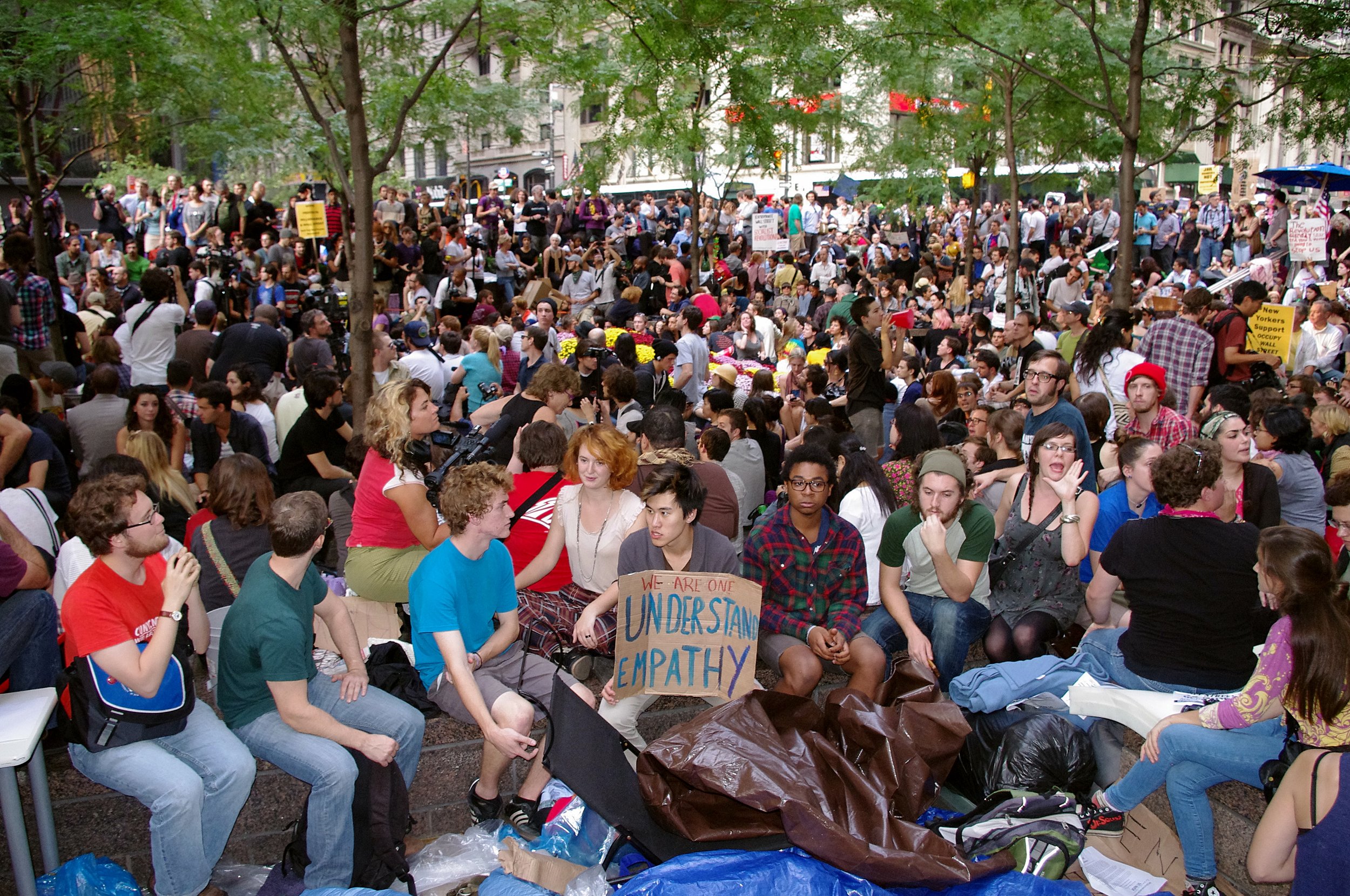
The New School of the Anthropocene’s launch was marked by a symposium that took the form of a series of unscripted video dialogues pairing cultural figures from neighbouring fields. It was timed to coincide with the 26th United Nations Climate Change Conference (COP 26) held in Glasgow in Autumn 2021.
The framework for discussion was bio-political emergency: a question of unimaginable climate catastrophe, species extinction and the undermining of the notion of civil society and its reciprocal practices. Participants were asked to consider how the university might be reshaped to address these issues in the context of its own accelerating crises of marketisation, instrumentalism and the systematic denigration of arts and humanities subjects.
Prompts
1. How might higher education mitigate its relentless focus on the survivalist demands of the present? Whereas on a personal level this means preparing students to compete in a hostile marketplace for a job, on a social level it implies the reinforcement and reproduction of the given configurations of power. How can we instead prepare students to invent an alternative future rooted in social justice and ecological sanity?
2. In the context of the global rise of right-wing authoritarian regimes, how might the university assist the restoration of democratic vitality and cultural confidence?
3. In light of the announcement in September 2021 by the Vice-Chancellor of the University of Highlands and Islands of his intention to cull ‘vanity courses’ in favour of ‘workforce alignment and supply’, how can we restore the adventurous life of the mind as a legitimate value in and of itself? How should we stop the university’s drift into a trade school and restore it as a place where meaning is actively made?
4. Is the packaged concept of the ‘Uni’ experience necessary and desirable?
5. Fintan O’Toole identified a ‘broader international effort to make education more and more managerial’ to insist on a rational relationship between inputs and outcomes, to reproduce only those forms of knowledge that we already have. It is now anathema to tolerate a system that allows people to do things we have not planned and cannot measure.’ How can higher educational institutions be reorganized upon lines that no longer simulate corporate business and, instead, enshrine values beyond mere utility?
6. How can the work of the body – of craft, skill and feeling – become realised as areas of value in the university? How might the creative act complement critical enquiry within the curriculum?
7. How can higher education assign value to the collaborative work of the community, as well as individual growth and enrichment? How should the curriculum be redesigned to suggest an ethos beyond the enhancement of personal market worth?
Dialogues (1-12)
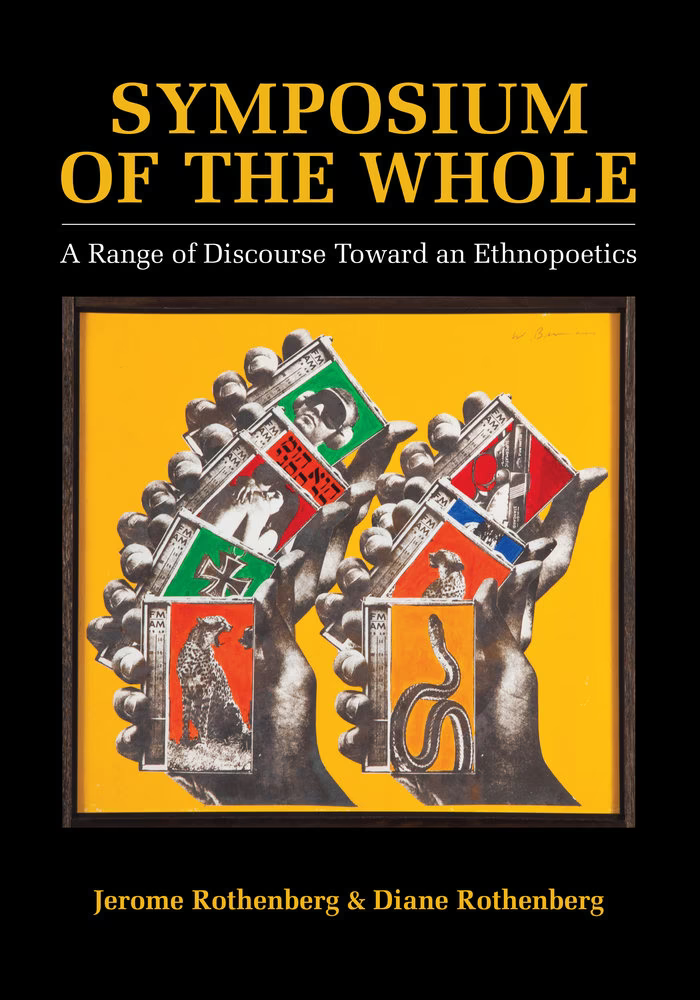
“What we’re involved with here is a complex redefinition of cultural and intellectual values: a new reading of the poetic past and present which Robert Duncan speaks of as ‘a symposium of the whole.’ In such a new totality, he writes [in Rites of Participation, 1968], ‘all the excluded orders must be included. The female, the proletariat, the foreign; the animal and vegetative; the unconscious and the unknown; the criminal and failure—all that has been outcast and vagabond must return to be admitted in the creation of what we consider we are.’ If that or some variant thereof is taken as the larger picture, it can provide the context in which to see most clearly the searches and discoveries in what we call ‘the arts.’”