
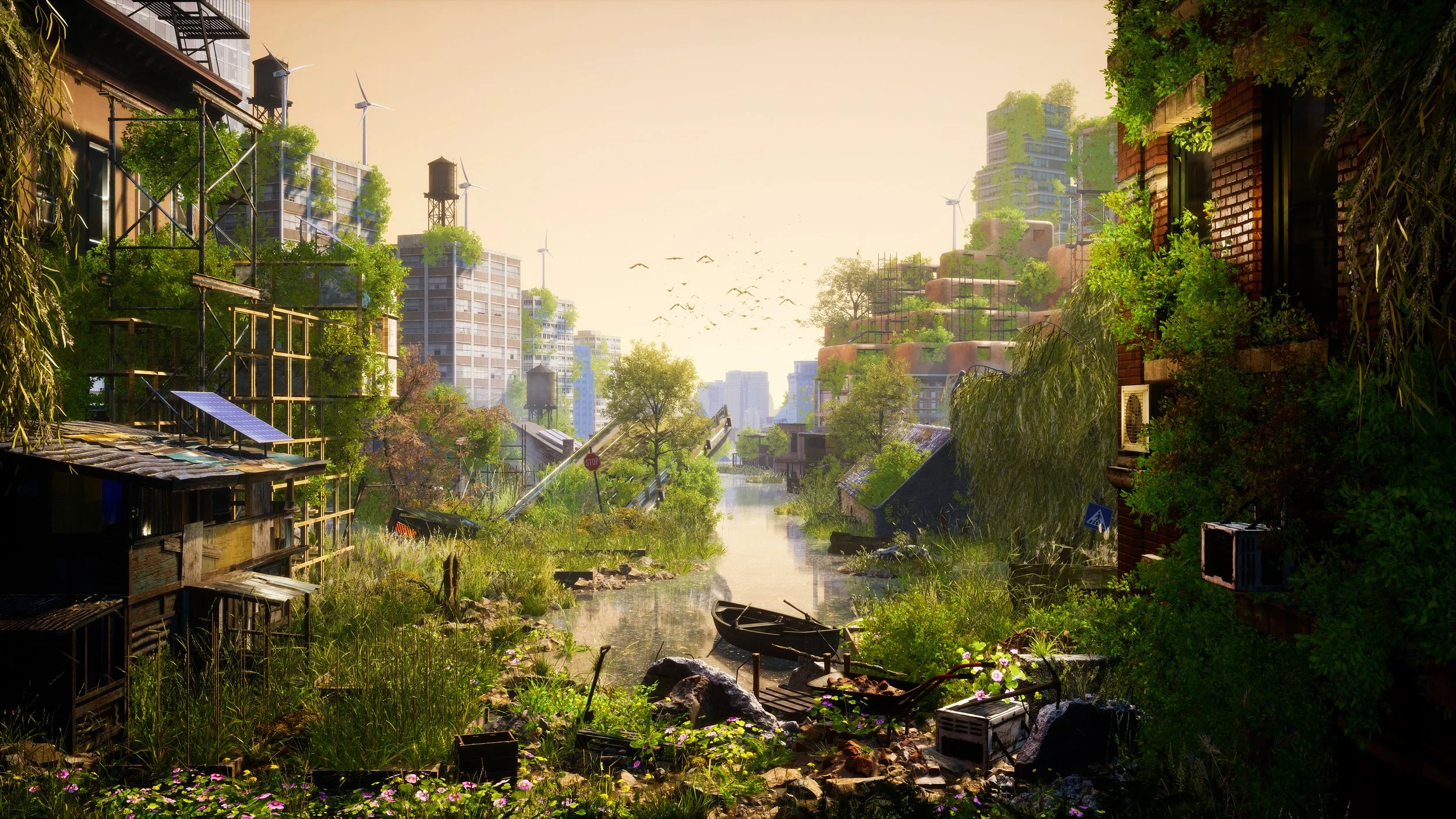
The New School of the Anthropocene is an act of repair as well as an experiment. We seek to reinstate the intellectual adventure, creative risk and supportive community that characterises the true university.
We are an ensemble of experienced academics, artists and practitioners, gathered in response to a context of unimaginable climate catastrophe and irreversible species extinction; of sanctioned inequality and the authoritarian turn. None of us regards education as a business and our students as customers. Indeed, we think of them as cultural workers and friends.
We recognise the pitiless financialisation of higher education and the dismal situation of students, for whom the accumulation of vast debt is a passport for crossing the threshold to adulthood and social participation.
We acknowledge the contribution of the university to military-industrial research for the chemical and informational technologies that execute genocide and ecocide.
We observe the demoralisation of exploited teachers within a casualised workforce whose energies are drained by a managerial-technocracy of audit and administration.
We witness the systematic dismantling of adult educational opportunity, the crude instrumentalisation of learning and a joyless culture of accreditation in the service of a market society.
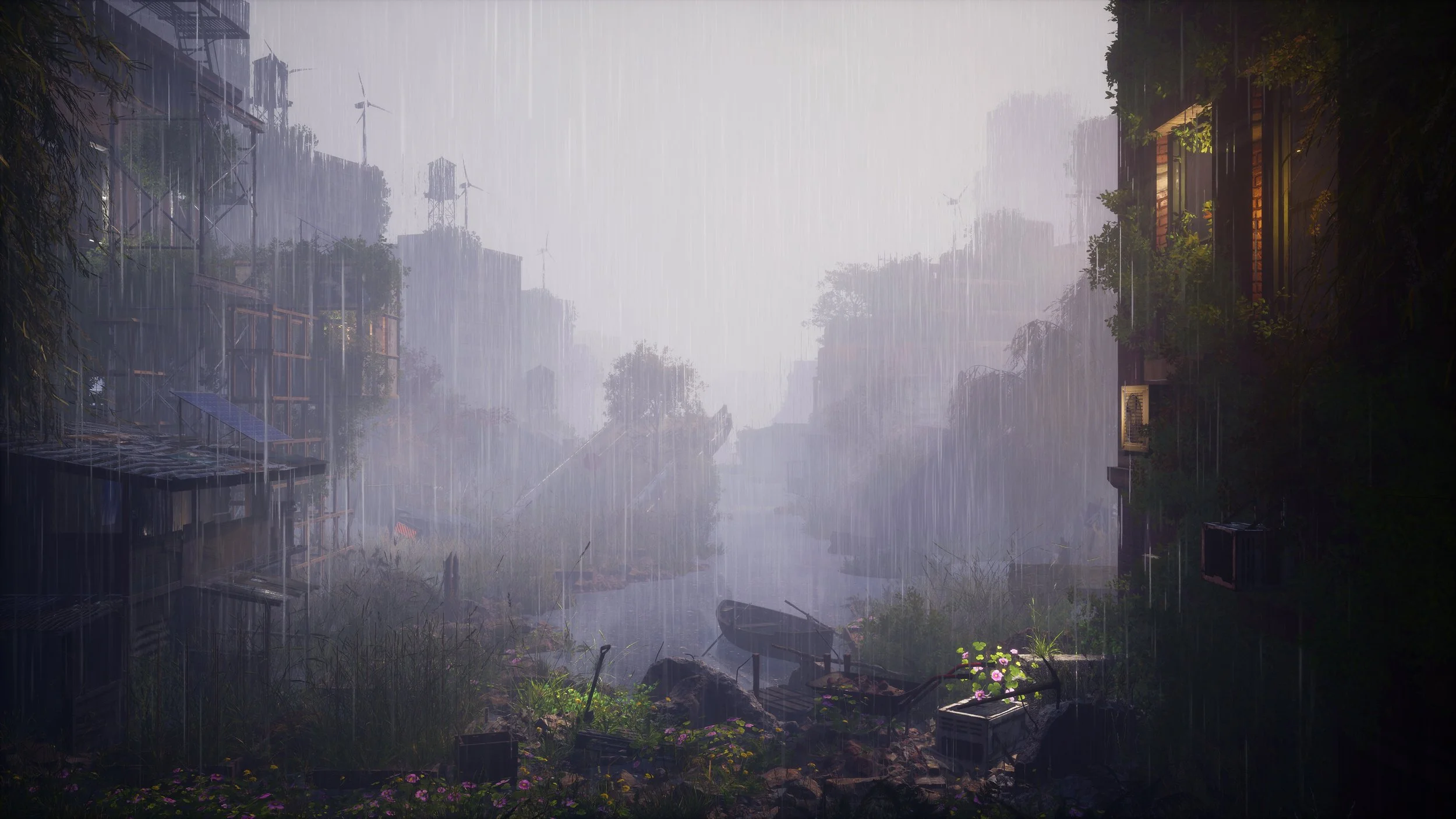
Refuge for Resurgence, Superflux (Biennale Architettura, La Biennale di Venezia, 2021)
Collectively we can do better. We see that higher educational institutions in their current form fail to foster the new critical and creative ways of working collaboratively that are necessary for social transformation and ecological recovery.
The New School gives radical new possibilities - affordable, flexible, democratic - for non-residential university education. We continue to explore in our fifth year how we shift from reproducing the destructive practices of the present and preparing students for what David Graeber termed “bullshit jobs,” to forging a viable future for the generations to come.
As the Industrial Workers of the World (aka Wobblies) declared in 1905, “We form the structure of the new society within the shell of the old.” We must transform accordingly into a clamorous, disputatious and joyous band of citizens!
“The purpose of education, finally, is to create in a person the ability to look at the world for himself, to make his own decisions . . . What societies really, ideally, want is a citizenry which will simply obey the rules of society. If a society succeeds in this, that society is about to perish. The obligation of anyone who thinks of himself as responsible is to examine society and try to change and fight it – at no matter what risk. This is the only hope that society has. This is the only way societies change.””
The name of the New School reflects the understanding that the influence of human activity on the Earth's atmosphere and biological support systems in recent centuries has been so significant and abrupt as to constitute a new post-Holocene epoch, which geologists have called the Anthropocene.
We use this term not to privilege the human as a biosocial subject, made suddenly aware of a precarious location within a planetary system of out-of-joint feedback loops and at risk of extinction. For the voices of decolonial and indigenous activists, environmental historians, political ecologists and ecofeminists remind us that we have been living for five centuries in the age of capital (the “Capitolocene”), of plantations (the “Plantationocene”), and within sacrificial relations (the “Wasteocene”).
And so we use the word “Anthropocene” critically to signify a taking of responsibility for the ecocidal ruin we’ve unleashed upon our planet; and a shift away from our terminal neoliberal economy of extractivism towards an ethics of care rooted in co-existence, reciprocity and mutual aid, with the earth reframed as a shared biographical habitat.
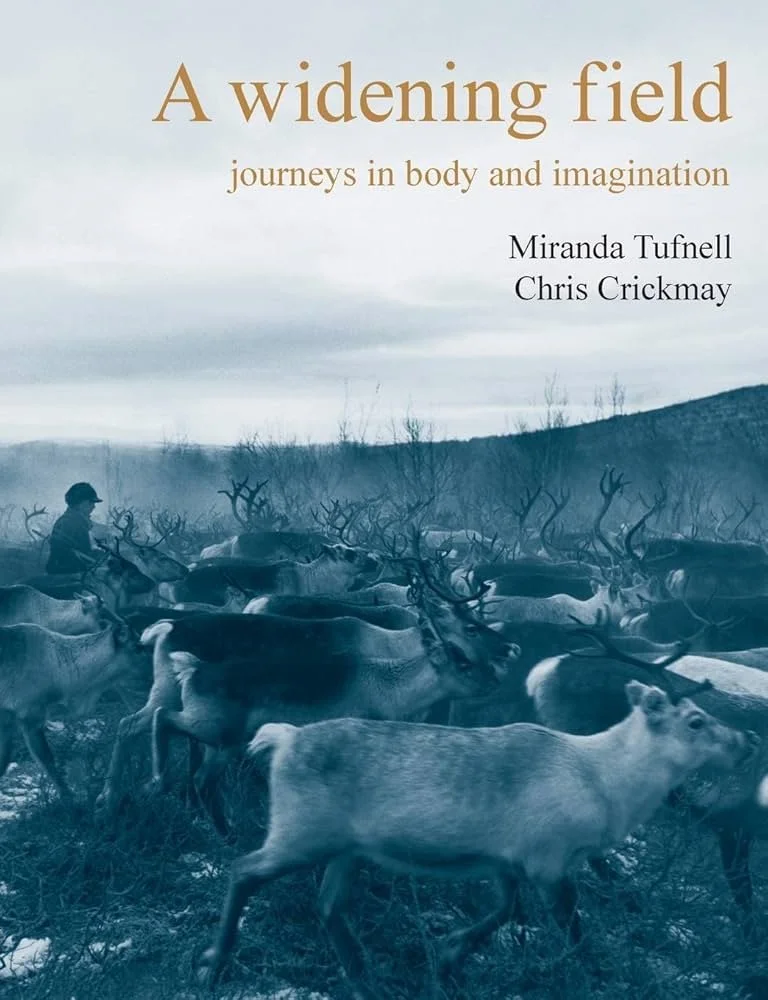
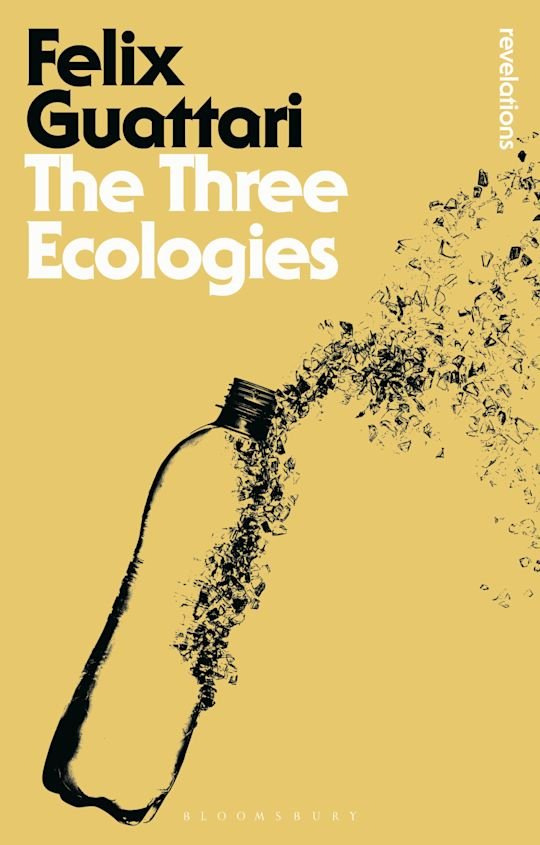
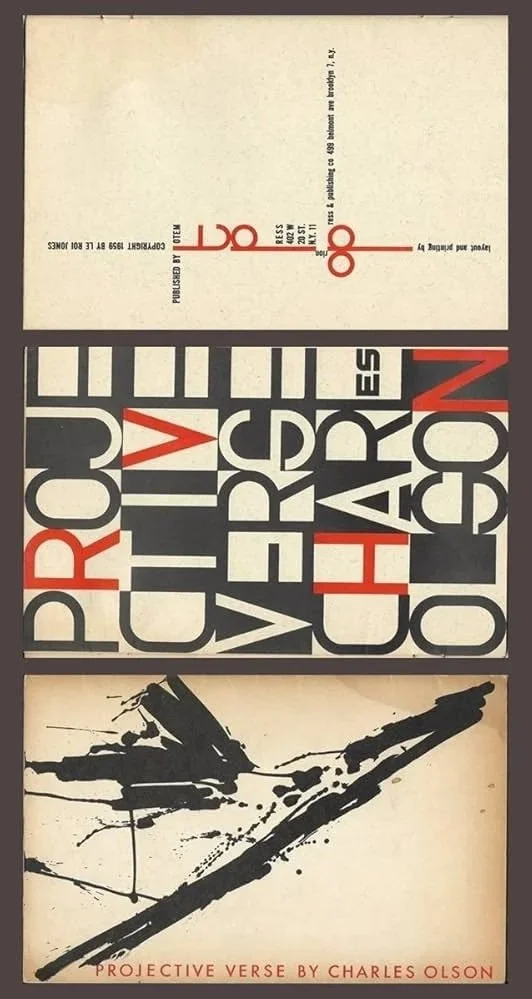
In response the New School has designed a radical postgraduate-level curriculum that embodies a cultural imagination of synthesis, an approach to pedagogy invented by the 20th-century English poet-scholar, Eric Mottram. This fuses critical enquiry and creative practice as an approach to studying and assessment, whereby we might cultivate the forester-poet, the painter-activist, the urbanist-auteur, the gardener-intellectual . . .
The New School has woven this approach into the theme of Felix Guattari’s The Three Ecologies (1989), which discusses the interconnected ecosystems of the mind, society and the natural world. The curriculum directly addresses the omission of Arts and Humanities disciplines in the consideration of social and ecological crises through re-examining the cultural narratives and metaphors that shape the human location on earth.
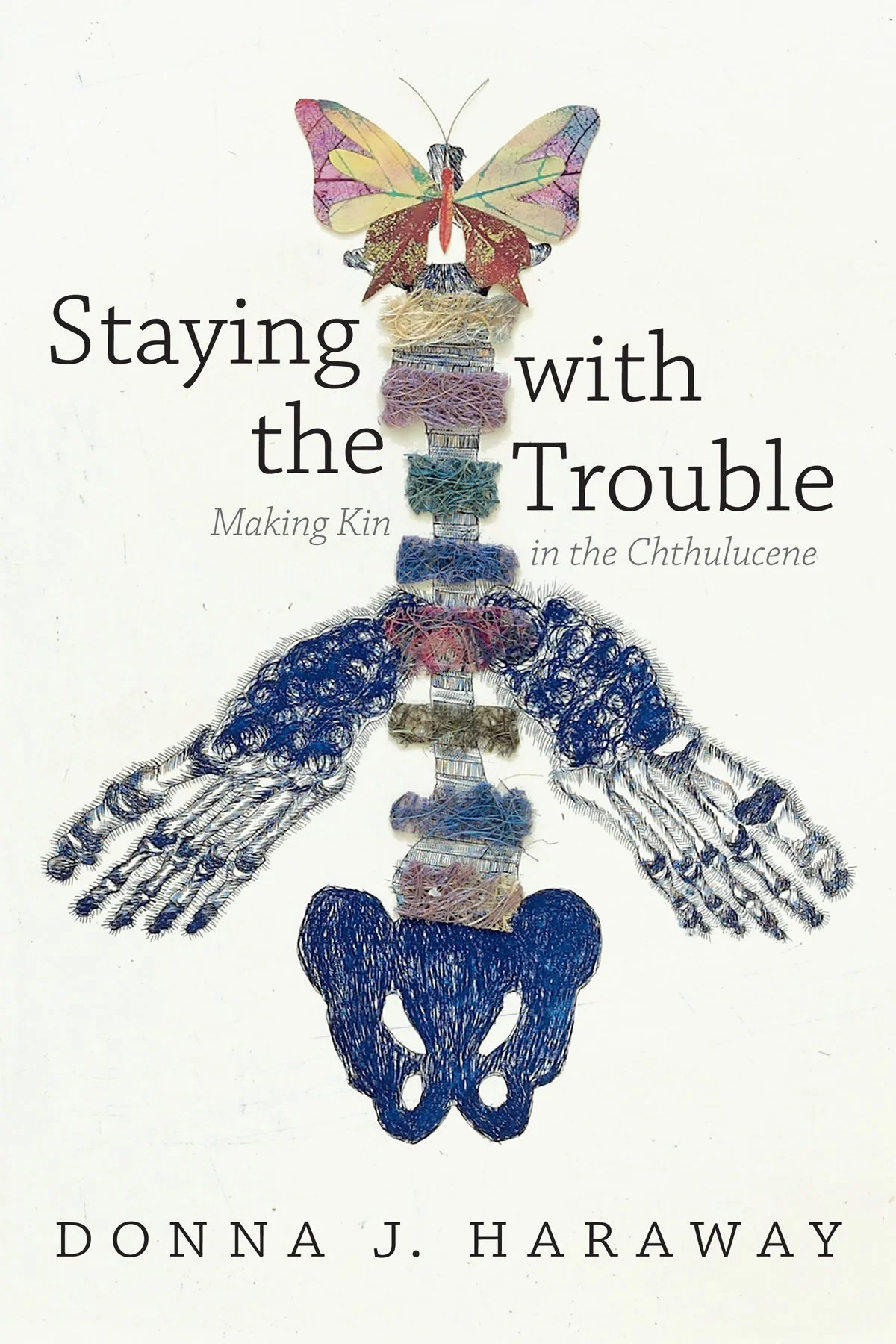
And so we seek to inhabit the fibrous and braided “thick present” named by Donna Haraway: a space where “past inheritences, present urgencies, and latent futures” coexist and “make ongoing possible.”
Teaching is designed to encourage learning through experimental thinking: the study of the imagination being the purpose of art, which might best equip people to deal confidently with our contemporary condition of polycrisis.
As such, the New School swerves away from the neoliberal preoccupation with training and skills: a means of limiting citizens by preparing them to operate fixed procedures within a social mechanism. The human imagination recognises no such constraints and we have little interest in “workforce alignment and supply” or nurturing micro-entrepreneurs of the self.
Our curriculum instead reflects the understanding that to be educated is to inhabit a world that affords a variety of unpredictable responses. We recognise the need to create producers, not consumers, of meaning, and that cooperation is a vital principle of learning.
Rather than binding students to the standardising tasks of a syllabus, against which they are measured and ranked according to institutional expectations, our participants blaze their own trails under critical guidance. The results are gathered by the week within seminars, and ebb and shift under supervision.
We believe that working together in a spirit of companionship and trust is the way to foster citizen autonomy and resilience. And so we refuse any professional abstractions of the word ‘academia’ from a community context and believe in learning by doing and the importance – and pleasure – of cooperation: a departure from the mainstream university’s fostering of isolated individuals forced into mutual competition.
The academic year runs from late-September to mid-June and is composed of three terms totalling 32 weeks with additional reading interludes. A yearly cohort comprises c.35 students, a number that affords viable grounds for collaborative community. Their tenure at the New School is overseen by the Director of Studies who works closely with each participant to co-curate a research project.
After completing the course, students are welcome to continue their participation in the life of the New School by attending seminars and screenings on Friday Gathering Days and continuing their research project work, if so desired. Around 20 students avail themselves of this opportunity every year and contribute to the building of an NSotA diaspora.
“Say to them: ‘Man has survived hitherto because he was too ignorant to know how to realize his wishes. Now that he can realize them, he must either change them or perish.”
“It is quite wrong to make the distinction between the action on the psyche, the socius and the environment. Refusal to face up to the erosion of these three areas, as the media would have us do, verges on a strategic infantilization of opinion and a destructive neutralization of democracy.”