

The New School Ensemble
The New School’s teachers contribute to an open-ended Ensemble rather than belonging to an exclusive faculty, wherein free-wheeling encounters, long-term collaborations and gracious departures might be valued equally. Our gathering extends to more than one hundred practitioners and lecturers attached to international universities. All of us are otherwise active in the world and mindful of what Edward Said identified as the dangers of professionalism.
We aim to explore how a group of people might nurture a condition of conviviality without falling into the retrograde traps of the institution. In our decision-making we seek to emulate the improvisational risk, tactical acuity and collaborative grace that characterise the jazz quintet, the dance troupe, the letter-cutter’s workshop and the Occupy movement.
We have also enjoyed guest lectures from the likes of Brian Eno (musician), Anne Pettifor (economist), Justin McGuirk, (Director of Future Observatory), Clare Farrell (co-founder of Extinction Rebellion), Michael Mansfield (barrister), Andrew Barry (geographer) and Rupert Read (Director of the Climate Majority Project).
Several participants were involved in the Learning Together programme (2014-19), which brought together University of Cambridge teachers, students and prisoners in workshops to explore democratic ways of working. The New School also draws upon the feminist orientation of the Cambridge Tactics and Praxis seminar (2018-21), which strove to reinstate the creativity, pleasure, exploration, discovery and curiosity in higher education; to respond to political and environmental crisis in the midst of relentless pressures; and to determine the possibilities for collectivity. This is a means of standing with, and working for, those who have less in the face of institutionally-entrenched forms of privilege.
Our deeply missed co-founder, Isabelle McNeill, was a primary force in both initiatives, the collaborative lessons of which are enshrined within the New School’s teaching pattern.
Ensemble (a-z)
-
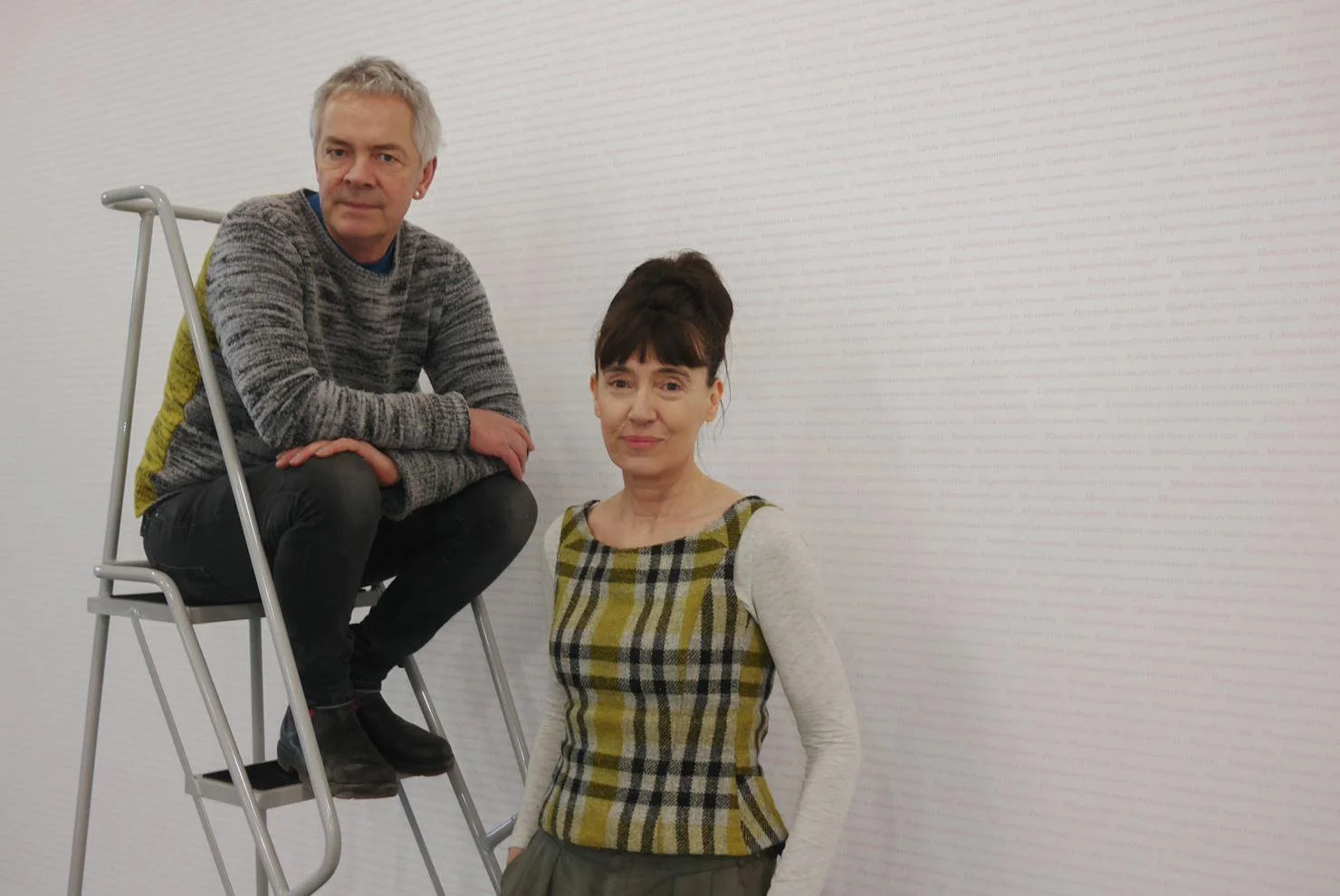
Ackroyd & Harvey
-
Miranda Anderson
-

Olivia Arigho Stiles
-
Kerri Arsenault
-
Hugo Azérad
-

Joe Baden
-

Kathy Battista
-
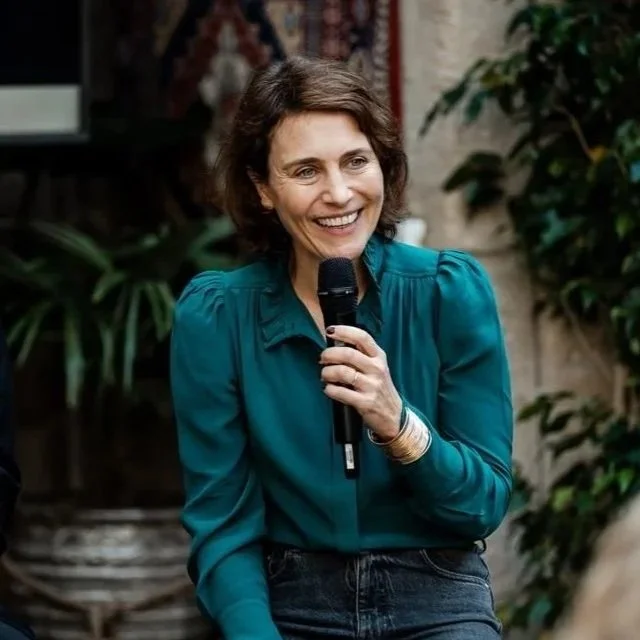
Maxime Beaugrand
-

Natalie Bennett
-

Gargi Bhattacharyya
-

Tabby Bourdier
-
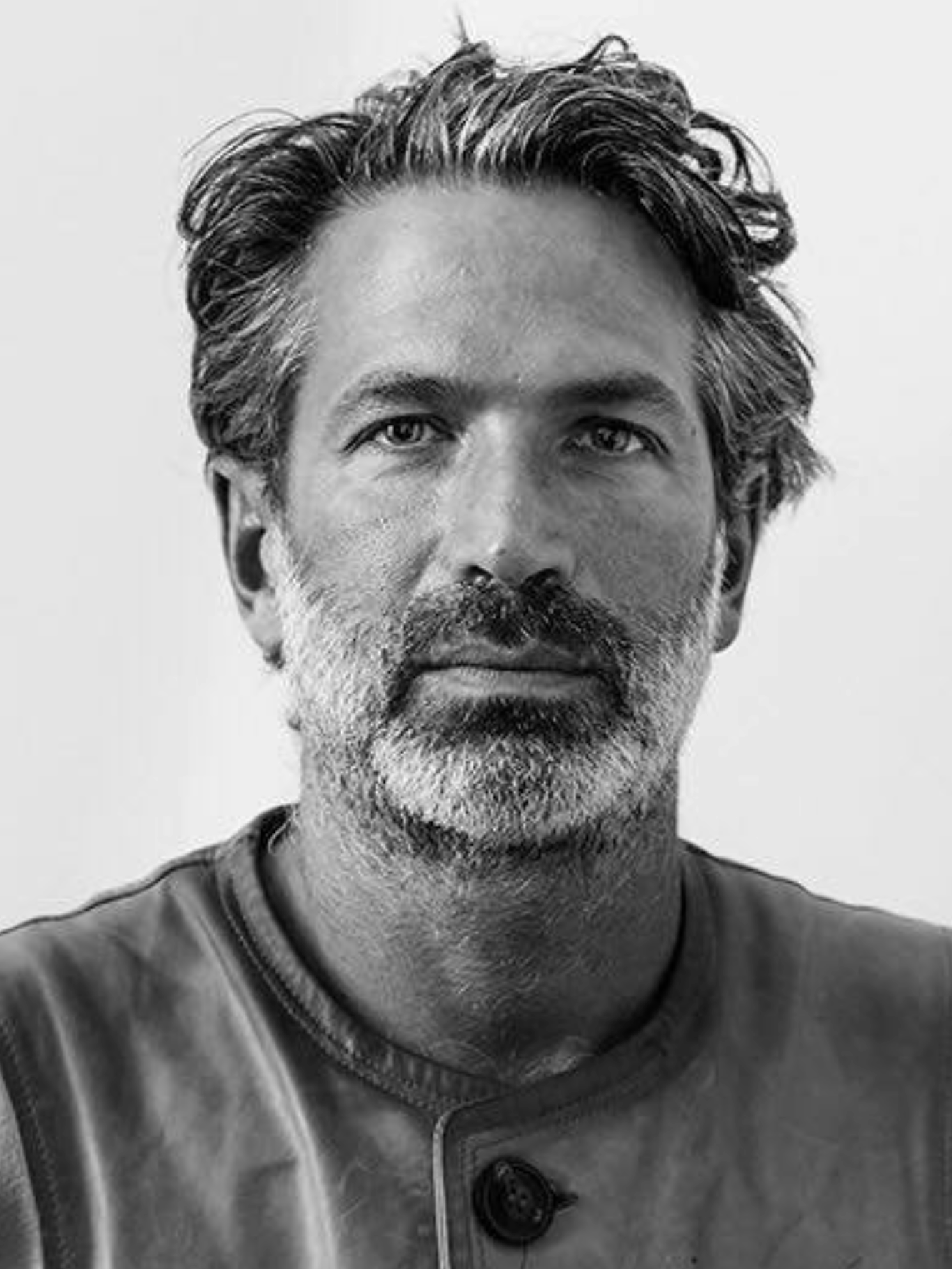
Adam Broomberg
-
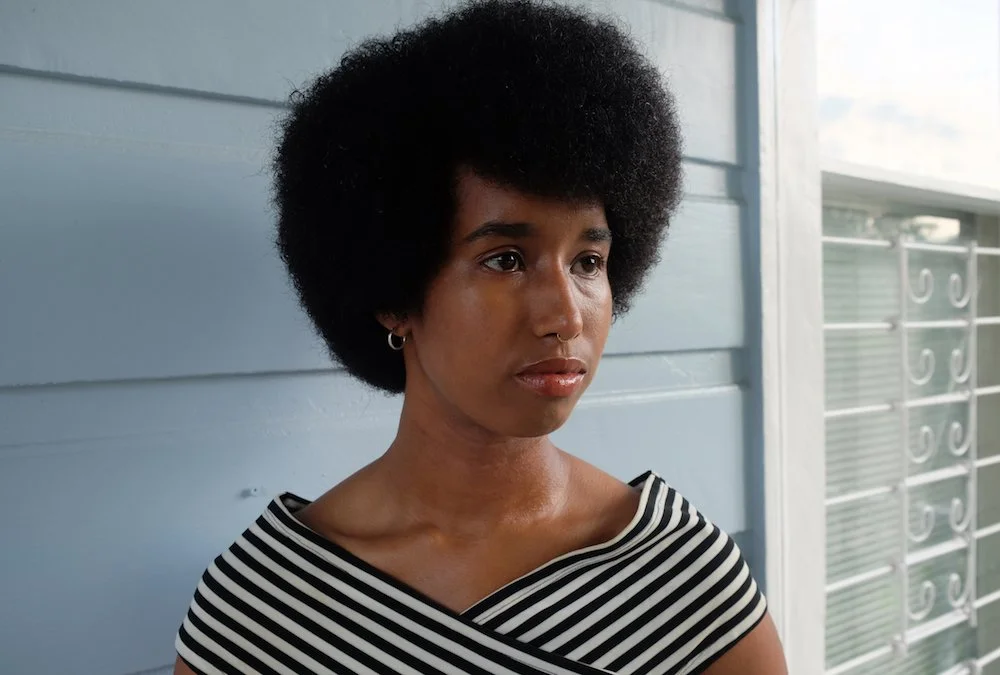
Imani Jacqueline Brown
-
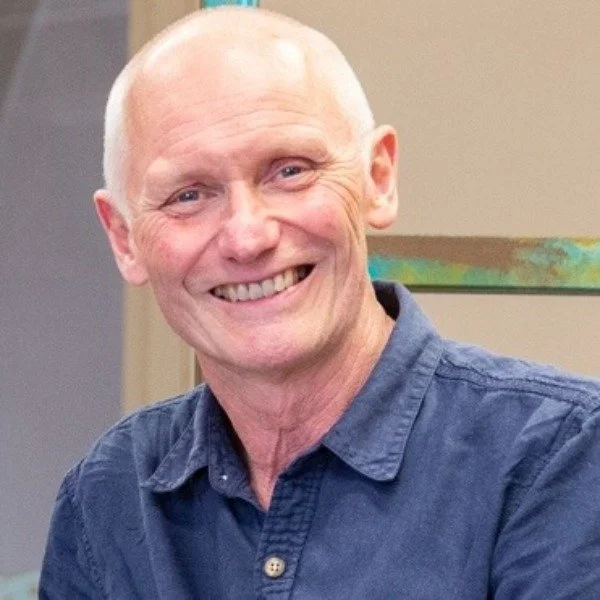
Andrew Burton
-
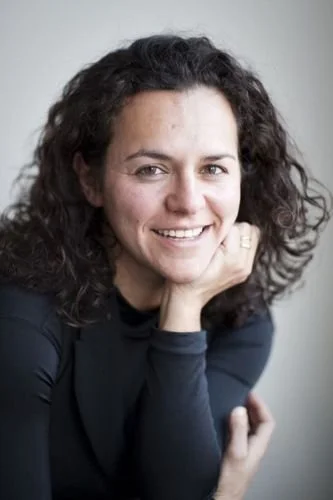
Josephine Burton
-
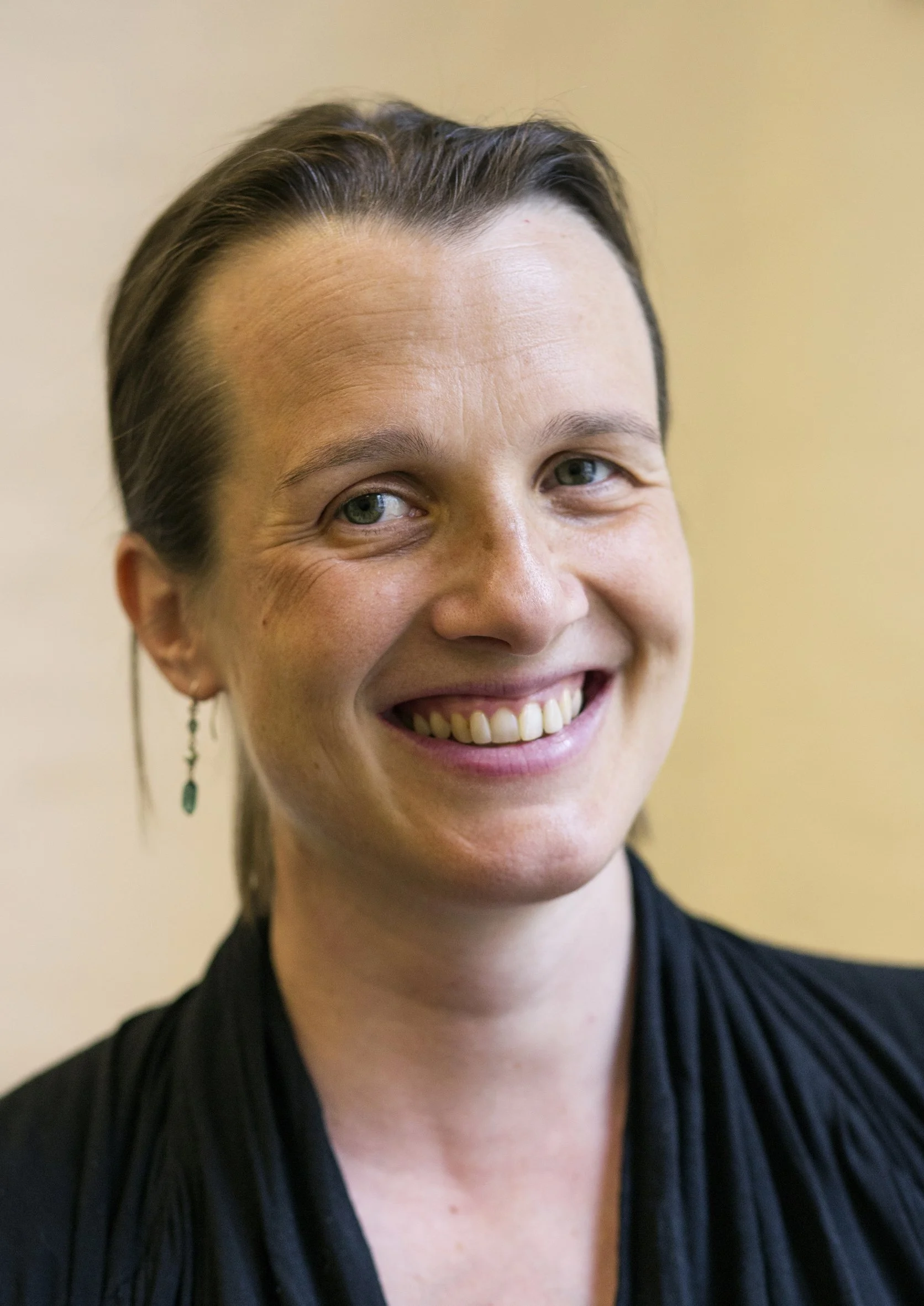
Sarah Butler
-
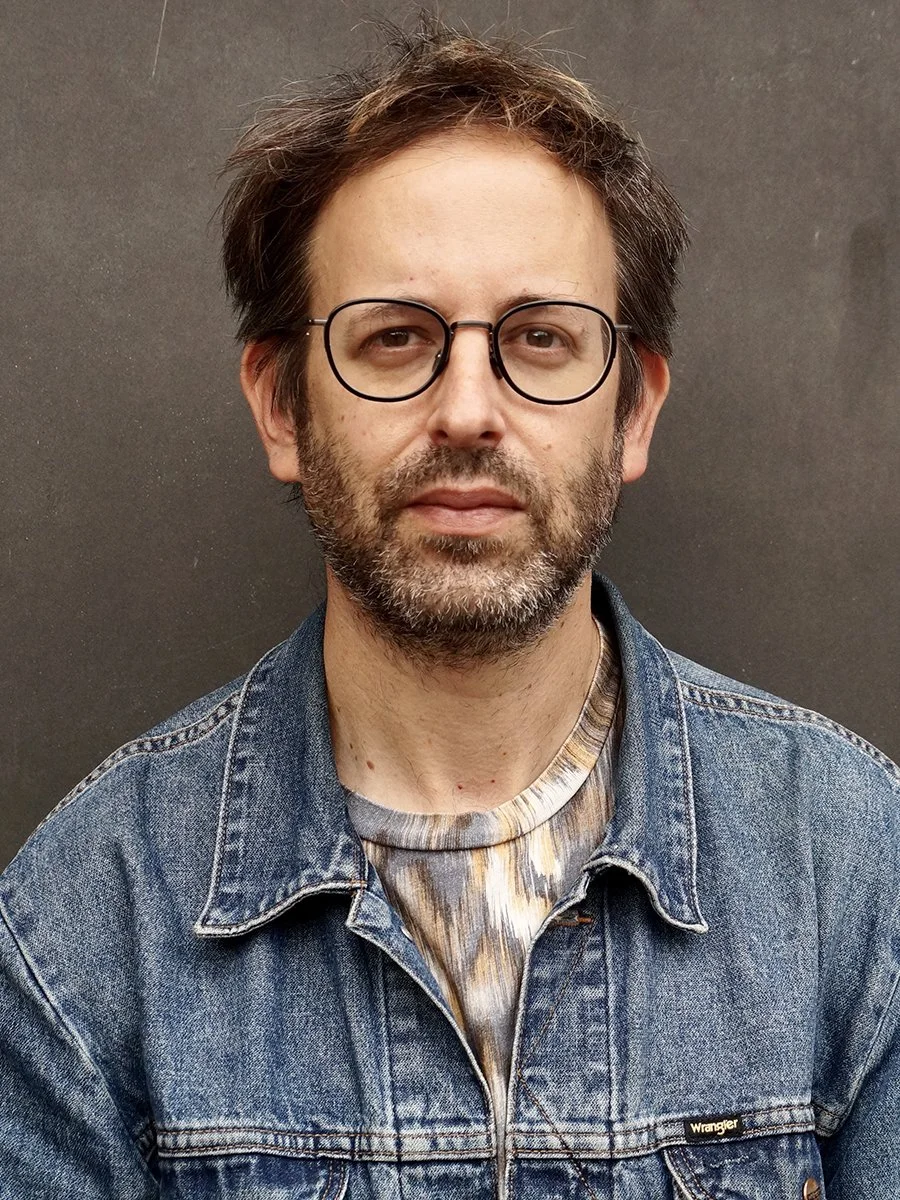
Ariel Caine
-
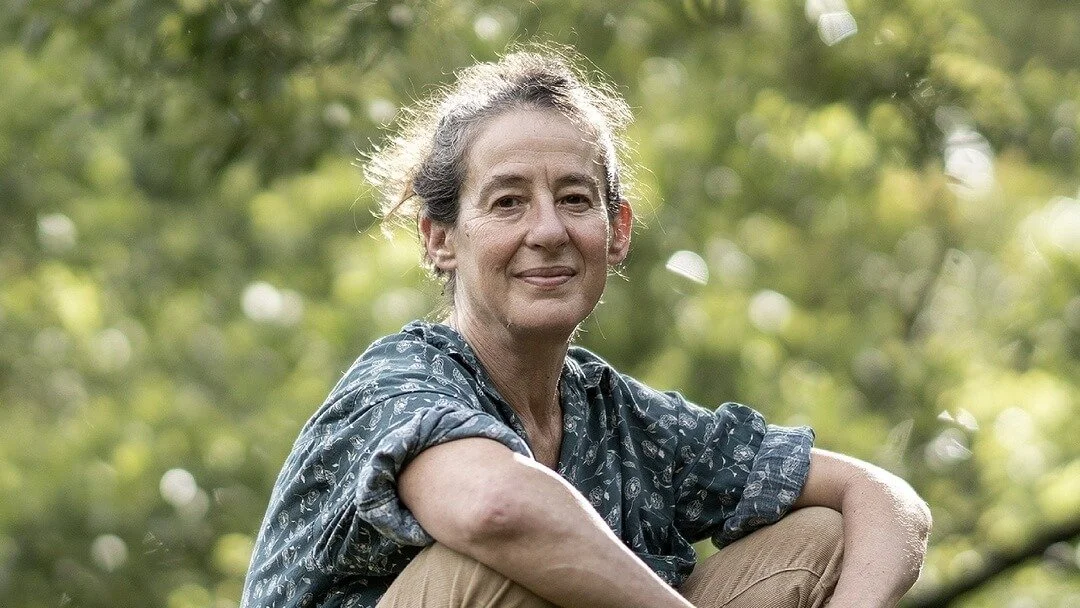
Danielle Celermajer
-

Melanie Challenger
-
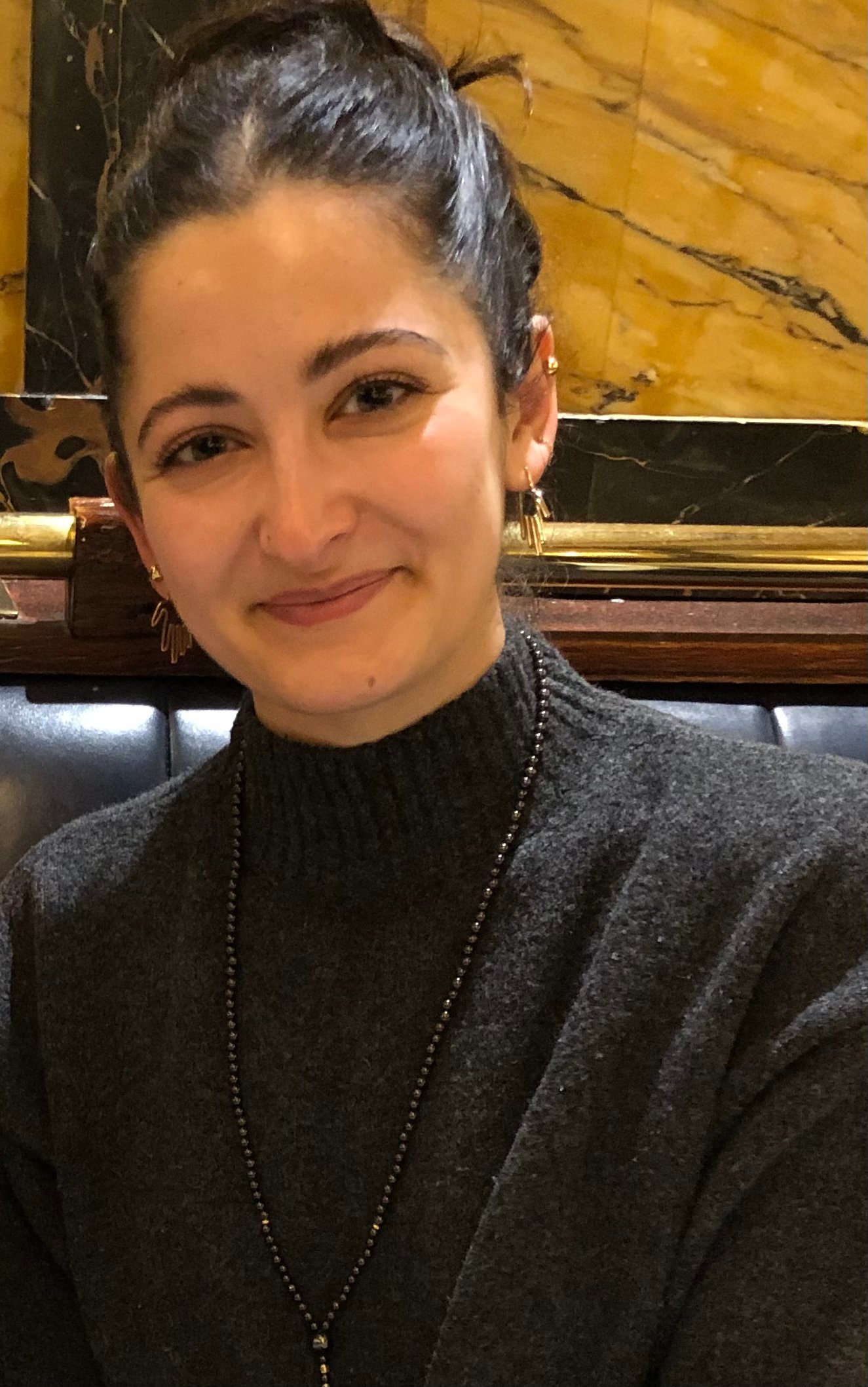
Chloé Chbat
-

Sarah Cook
-
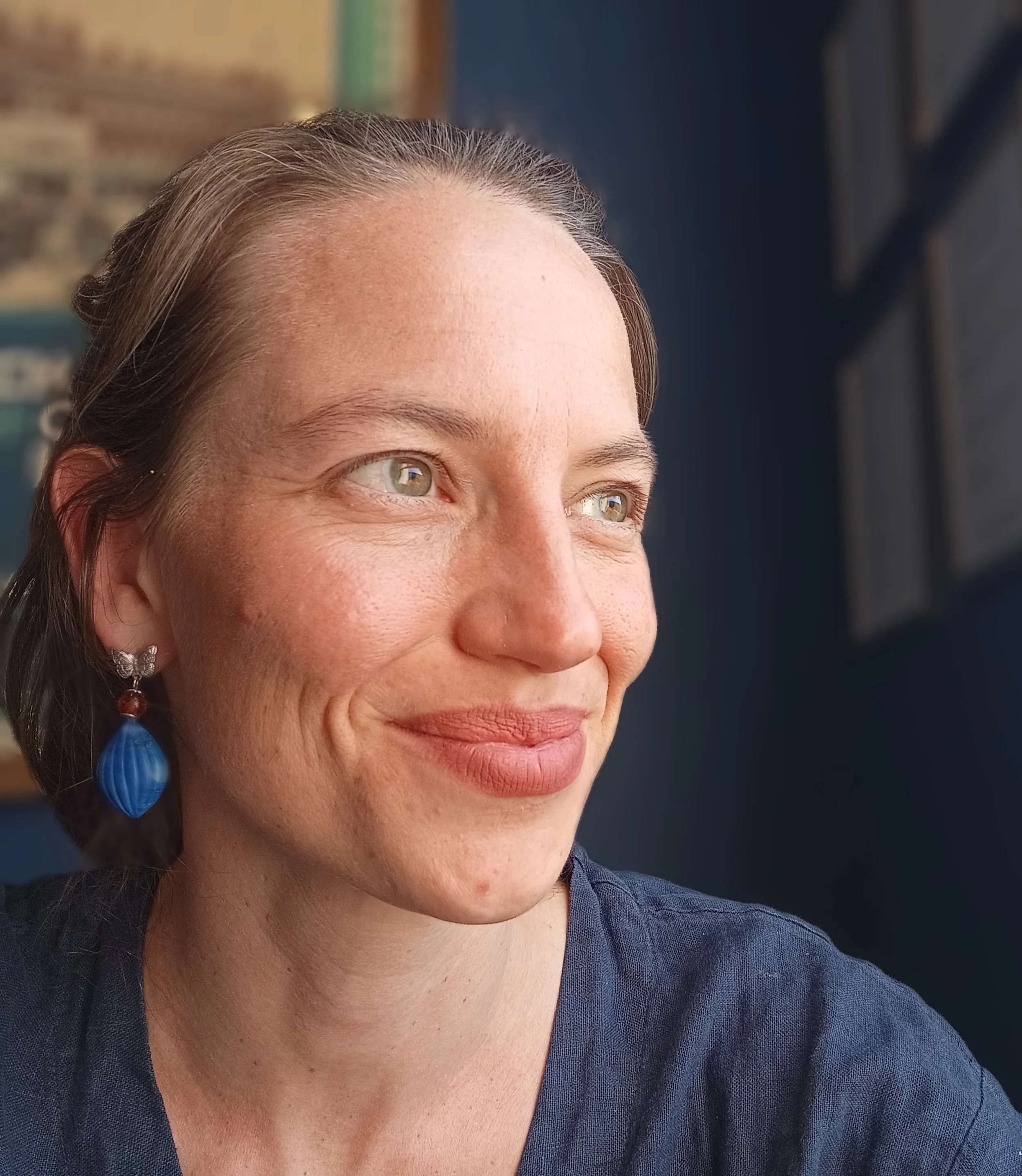
Ruth Cross
-

Eleanor Dare
-

Rachel Dring
-

Daniel Edelstyn
-

Fran Edgerley
-

Stephen F. Eisenman
-

Mike Faulkner / D-Fuse
-
Melanie Ferreira
-
Lydie Fialová
-

Allen Fisher
-
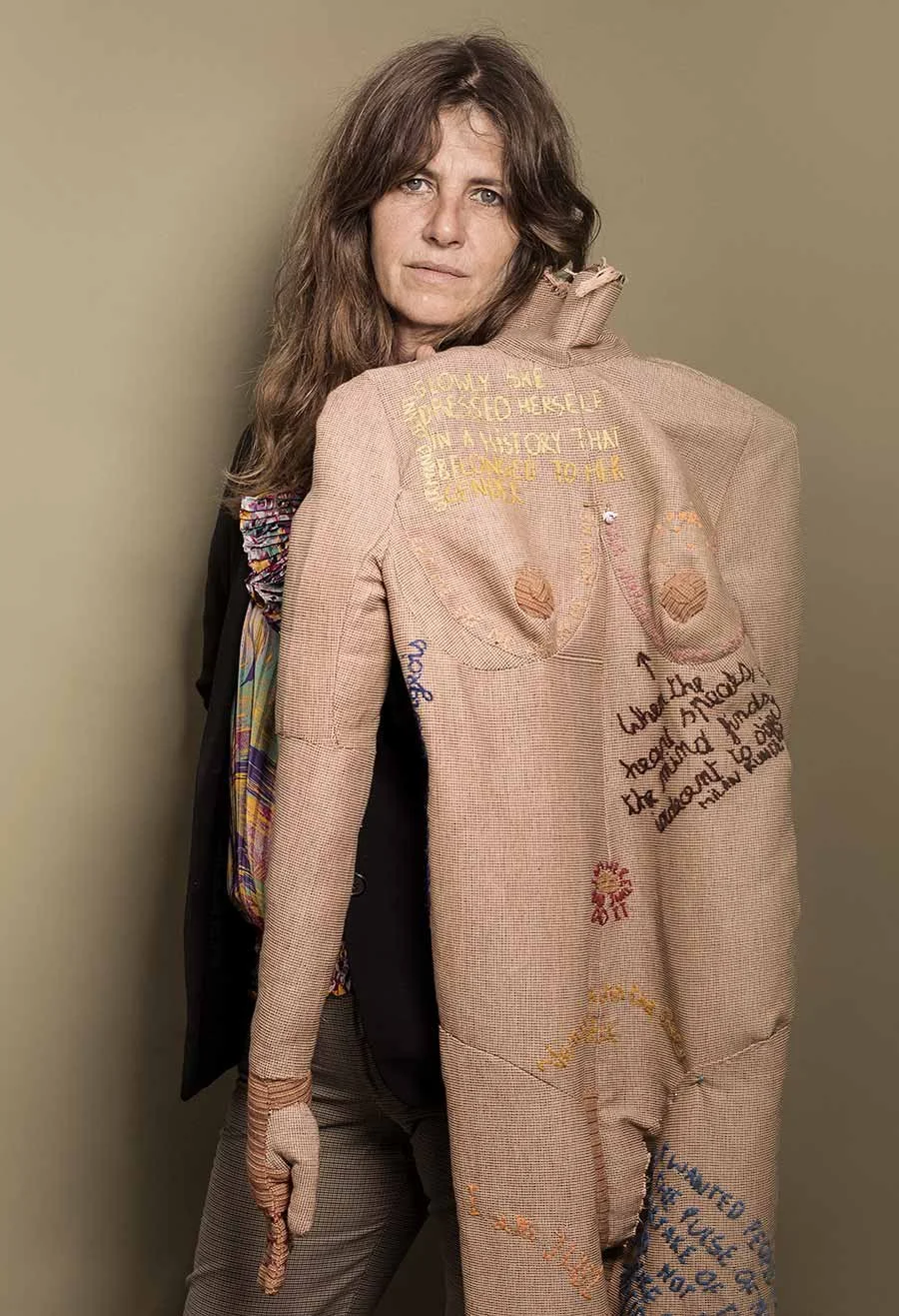
Sylvie Franquet
-
Zeremariam Fre
-

Sinead Garrigan
-
Jérémie Gilbert
-
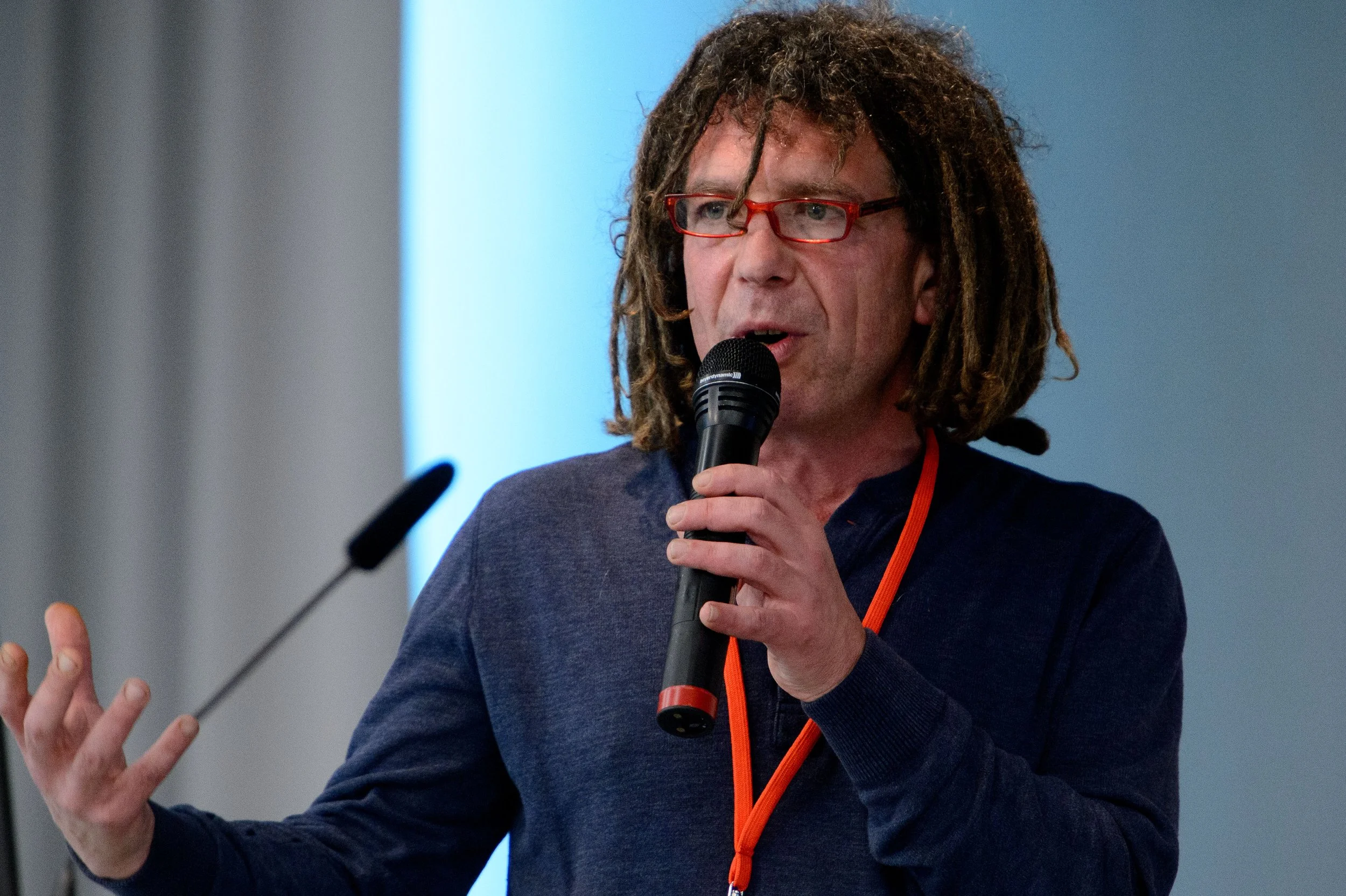
David Goldblatt
-

Polly Gould
-
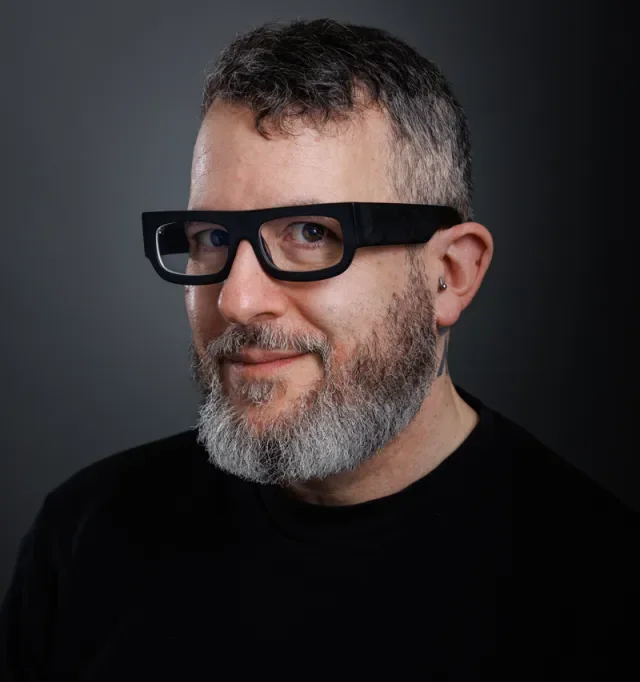
Adam Greenfield
-

Lee Grieveson
-

Sam Grinsell
-

Matthew Griffiths
-

Boris Gunjevic
-

Robert Hampson
-

Gerard Hastings
-

Pauline von Hellermann
-
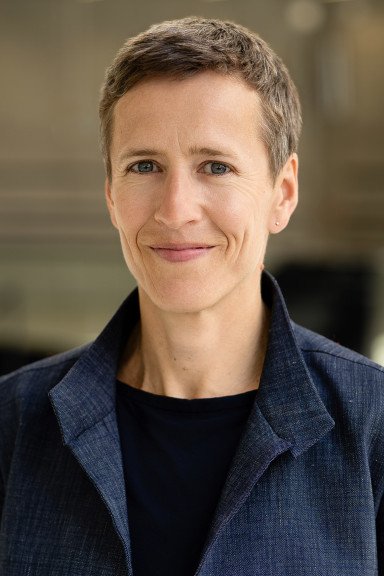
Christine Hentschel
-
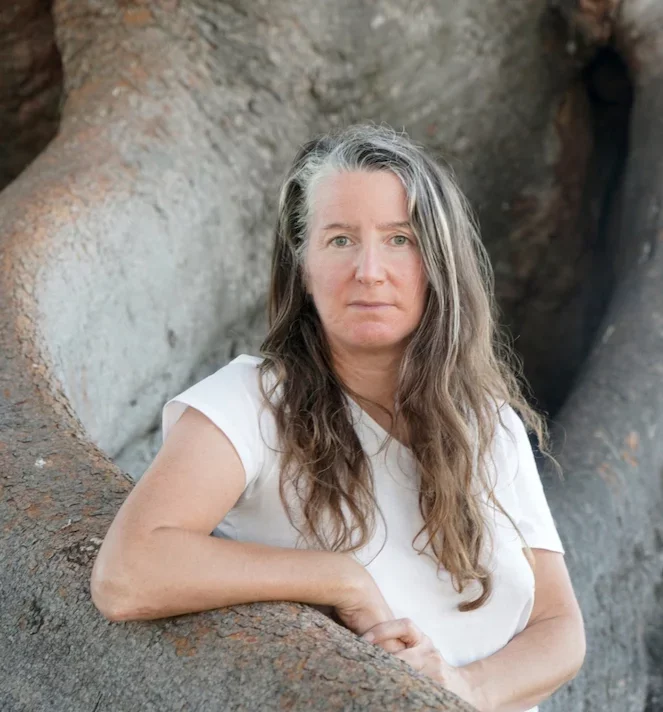
Katie Holten
-

Ambrose Hrebeniak
-

Michael Hrebeniak
-

Sarah Elisa Kelly
-

John Kenny
-

Asif Kapadia
-
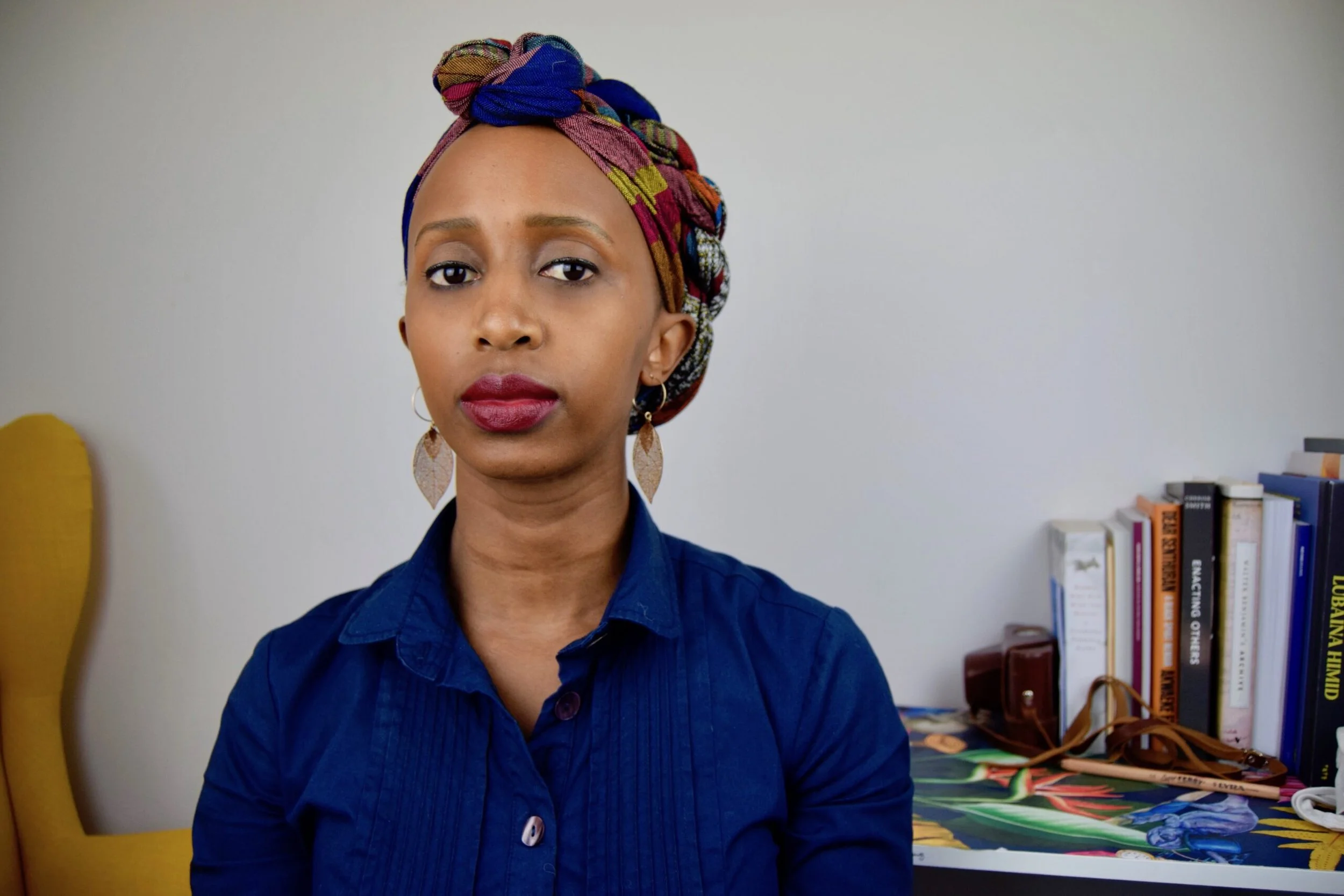
Wanja Kimani
-

Robin Kirkpatrick
-

Simone Kotva
-

Guy de Lancey
-
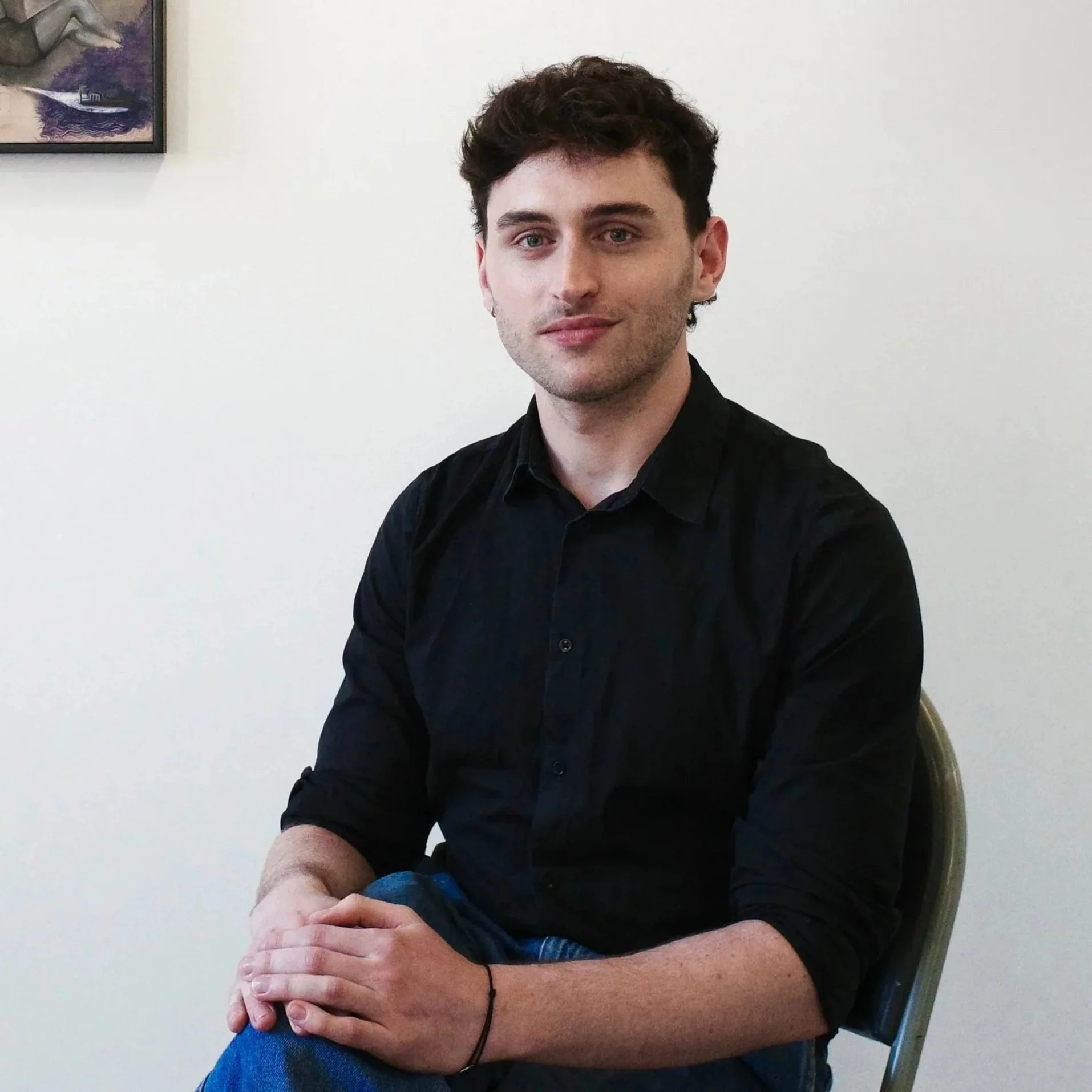
William Lowry
-

Matt Lloyd-Rose
-

Nicola McCartney
-

Simon McClelland Morris
-
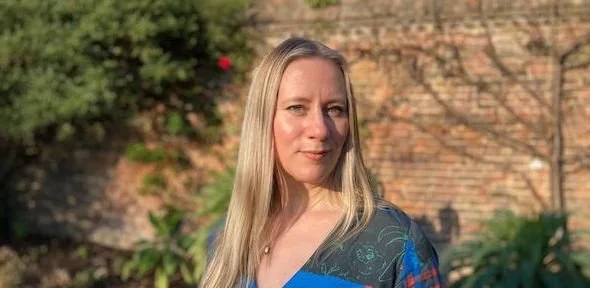
In Memoriam Isabelle McNeill
-
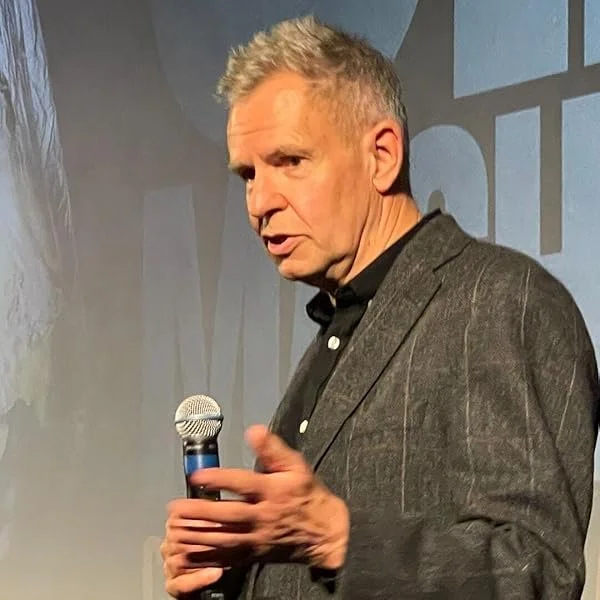
Terry Macalister
-
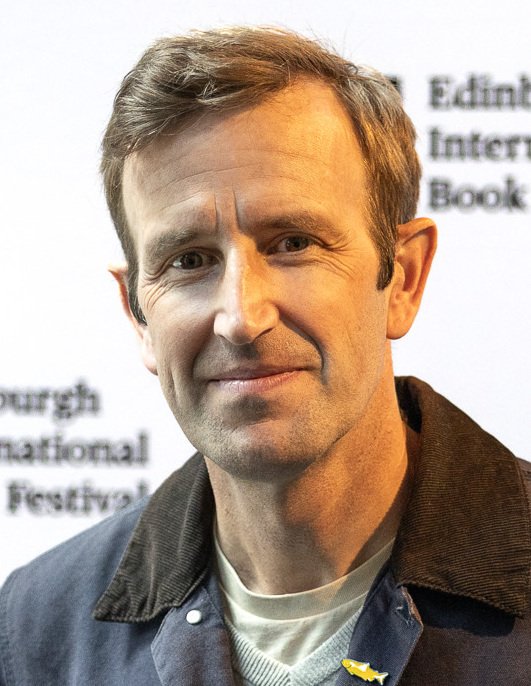
Robert Macfarlane
-

Roger Malbert
-
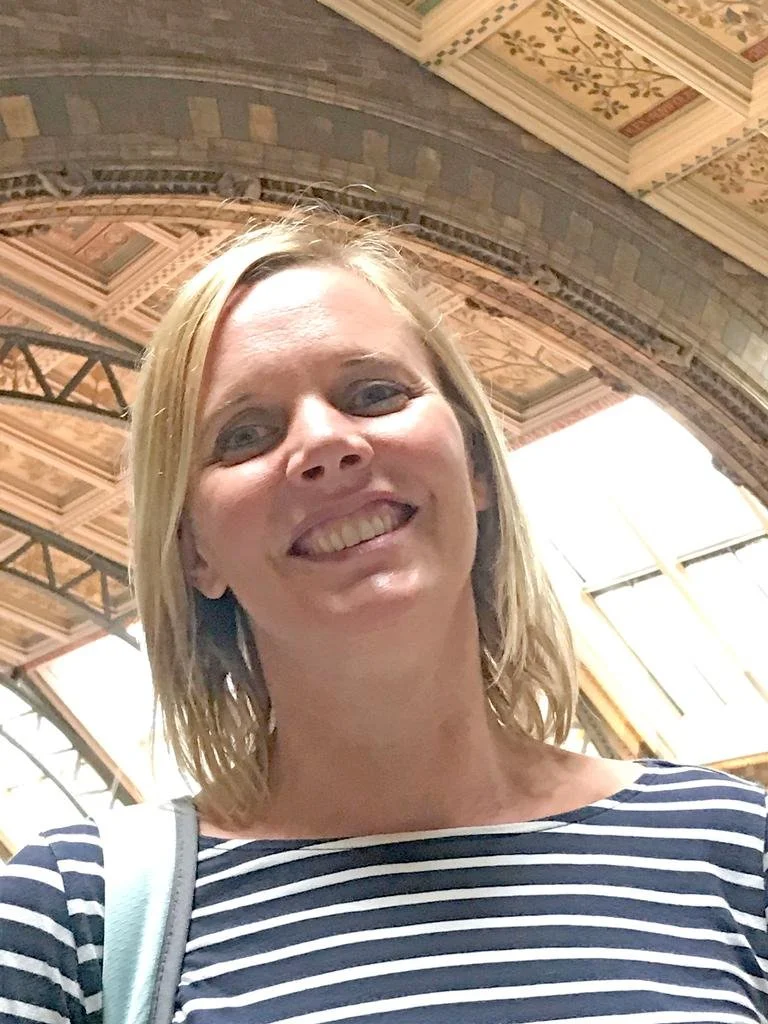
Vanessa Marr
-
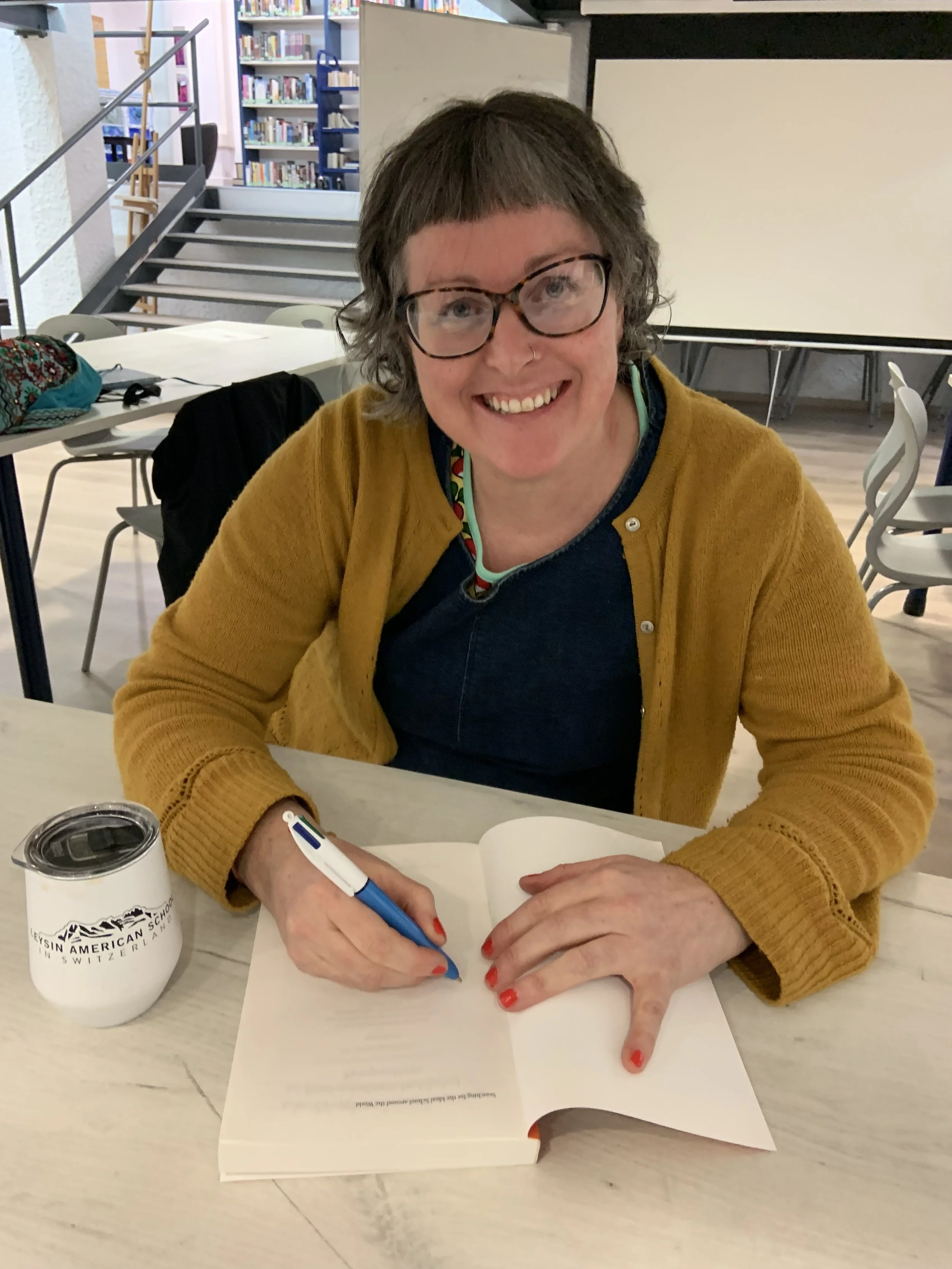
Alys Mendus
-
Carina Millstone
-
Kate Mitchell
-

Mariam Motamedi Fraser
-

Pablo Mukherjee
-

Mark Nelson
-

Robert Newton
-

Kim Noce
-

Dana Olărescu
-

Shreepali Patel
-
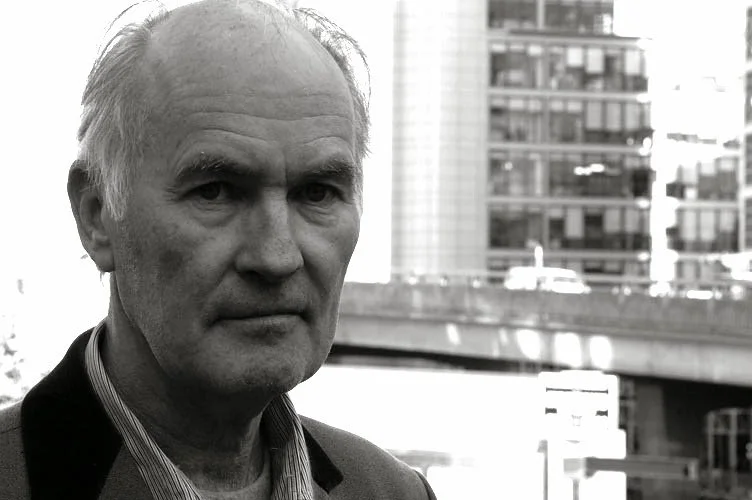
Chris Petit
-
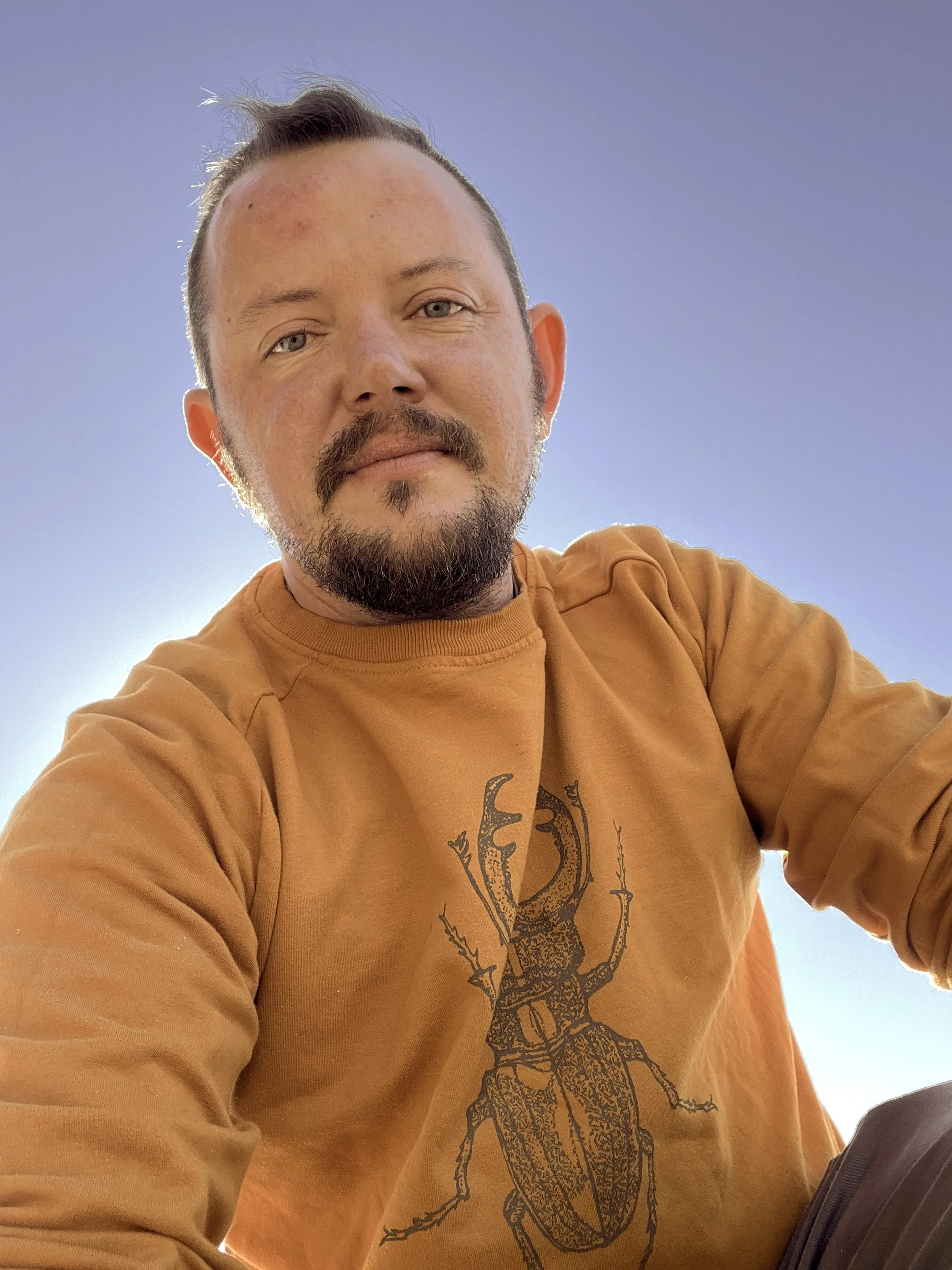
Ashton Phillips
-
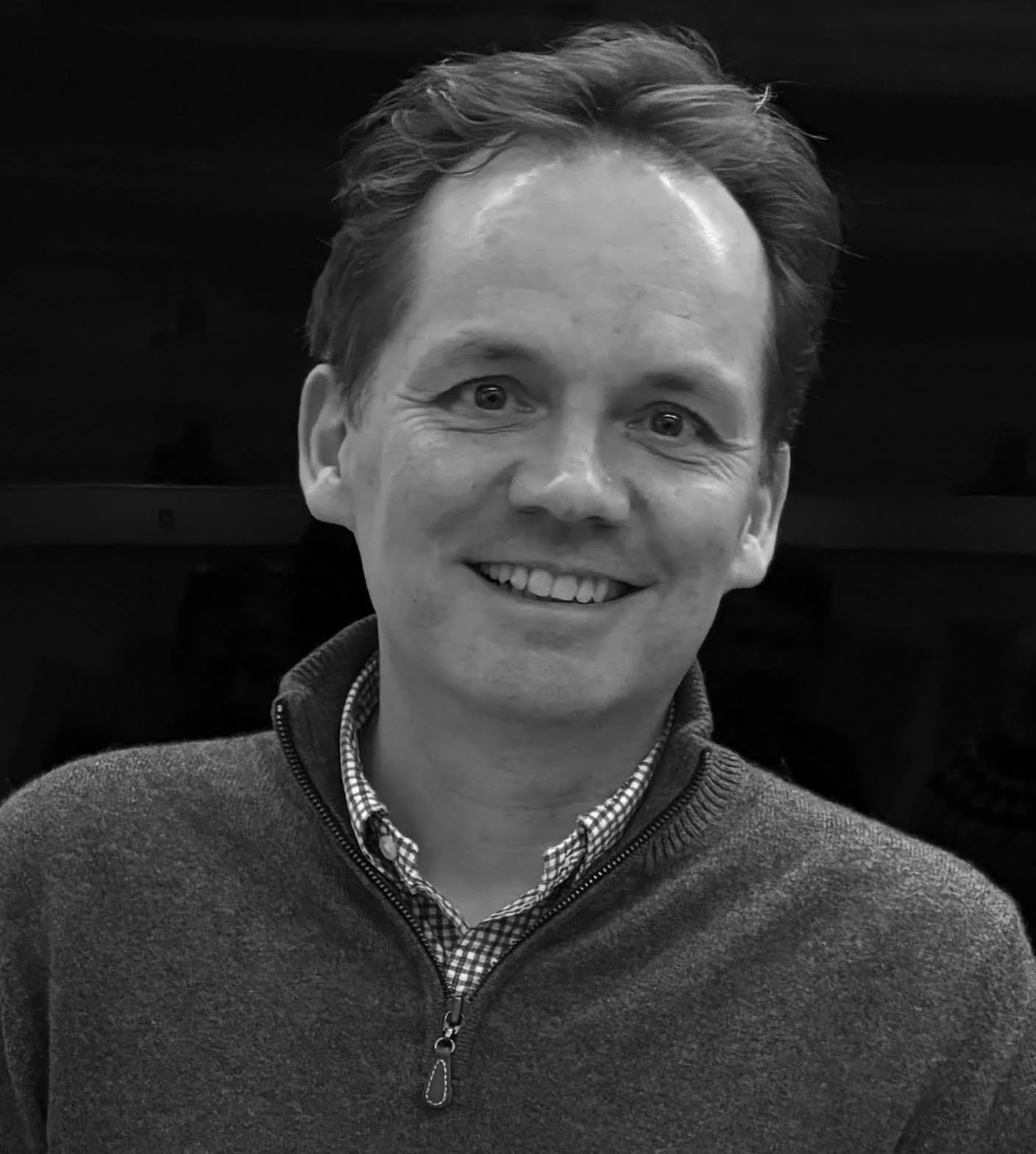
Jean de Pomereu
-
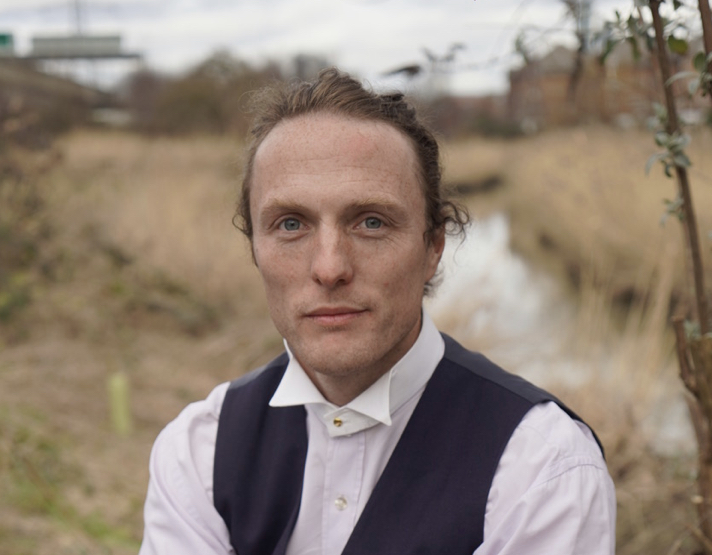
Paul Powlesland
-

Rajindra Puri
-
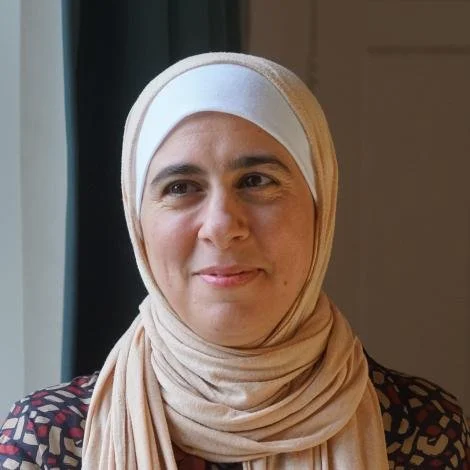
Sura Qadiri
-
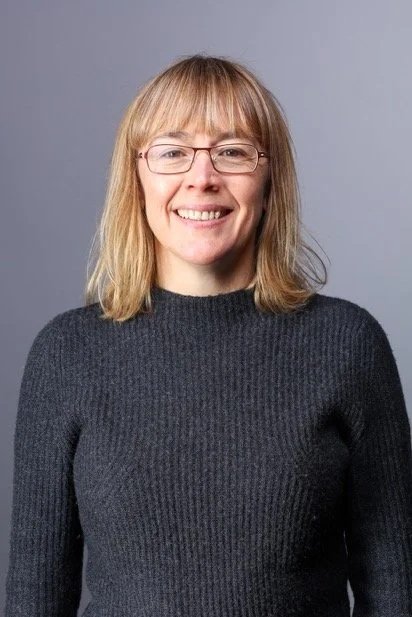
Jane Rendell
-

Emily Richardson
-
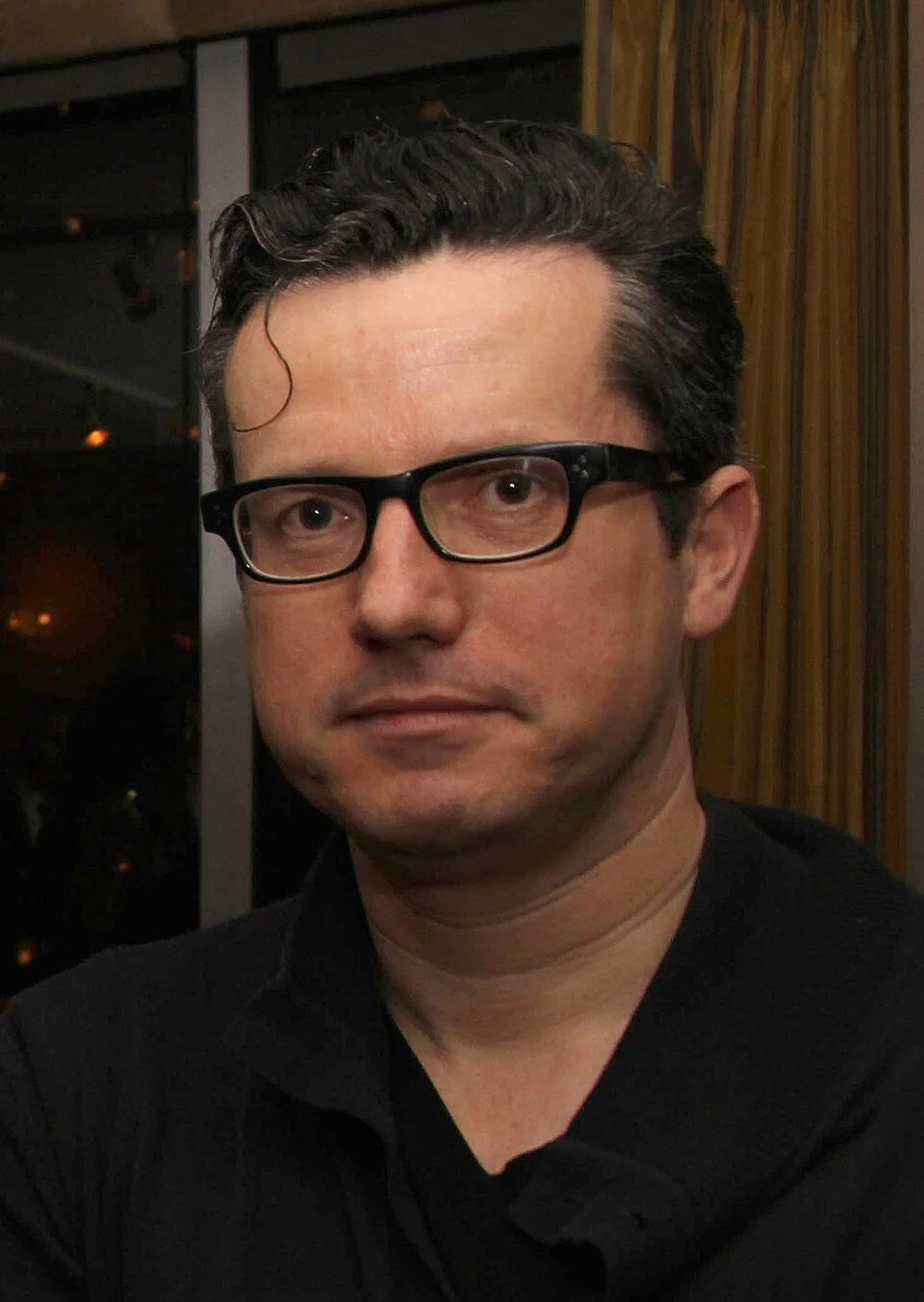
Carne Ross
-
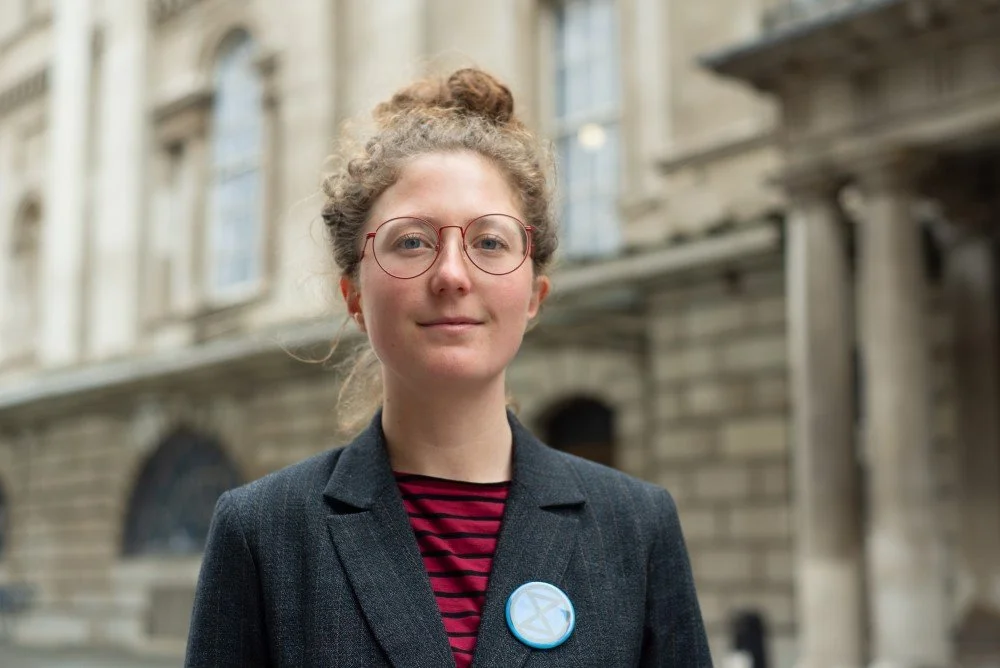
Indigo Rumbelow
-
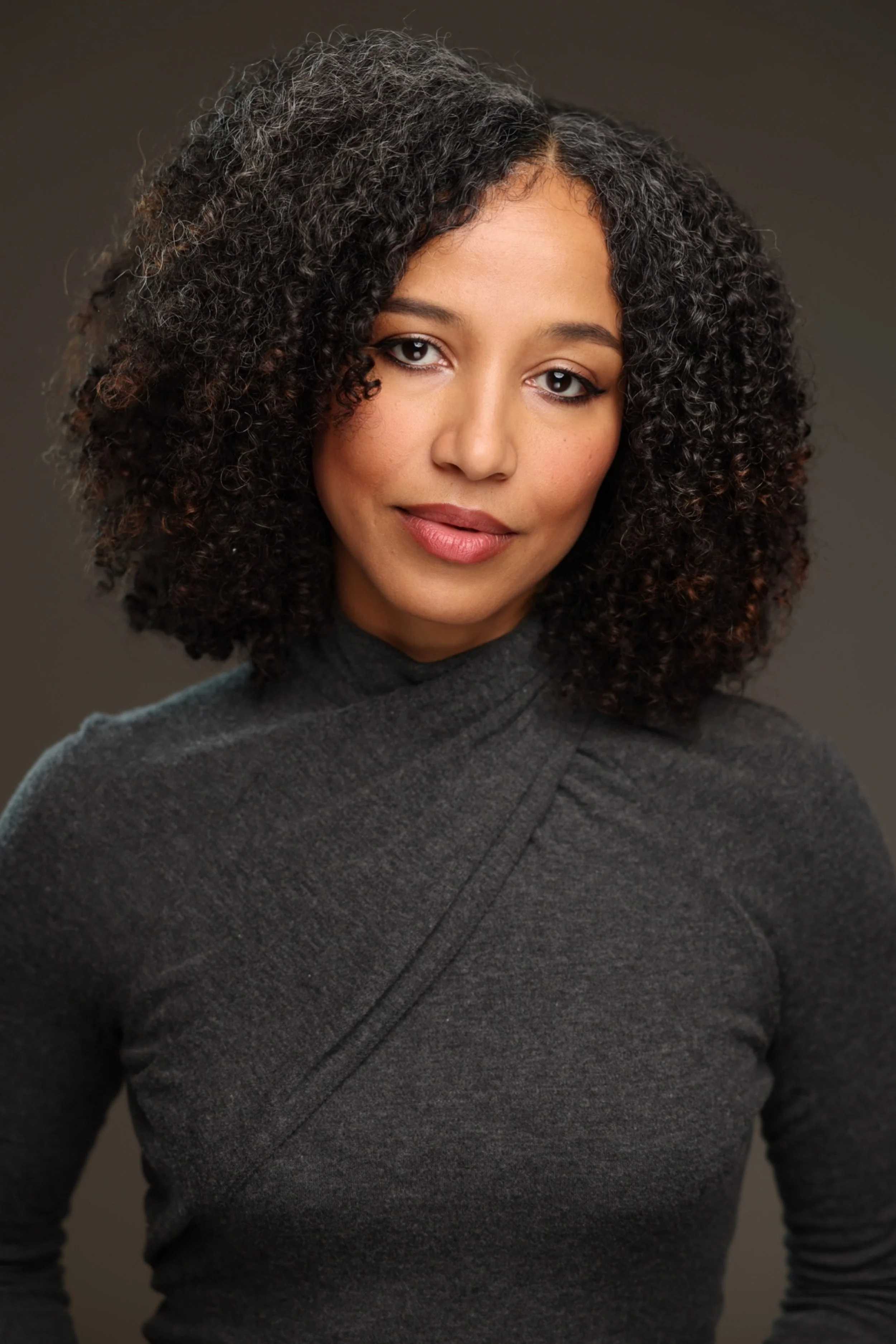
Minna Salami
-

Anthony Sattin
-
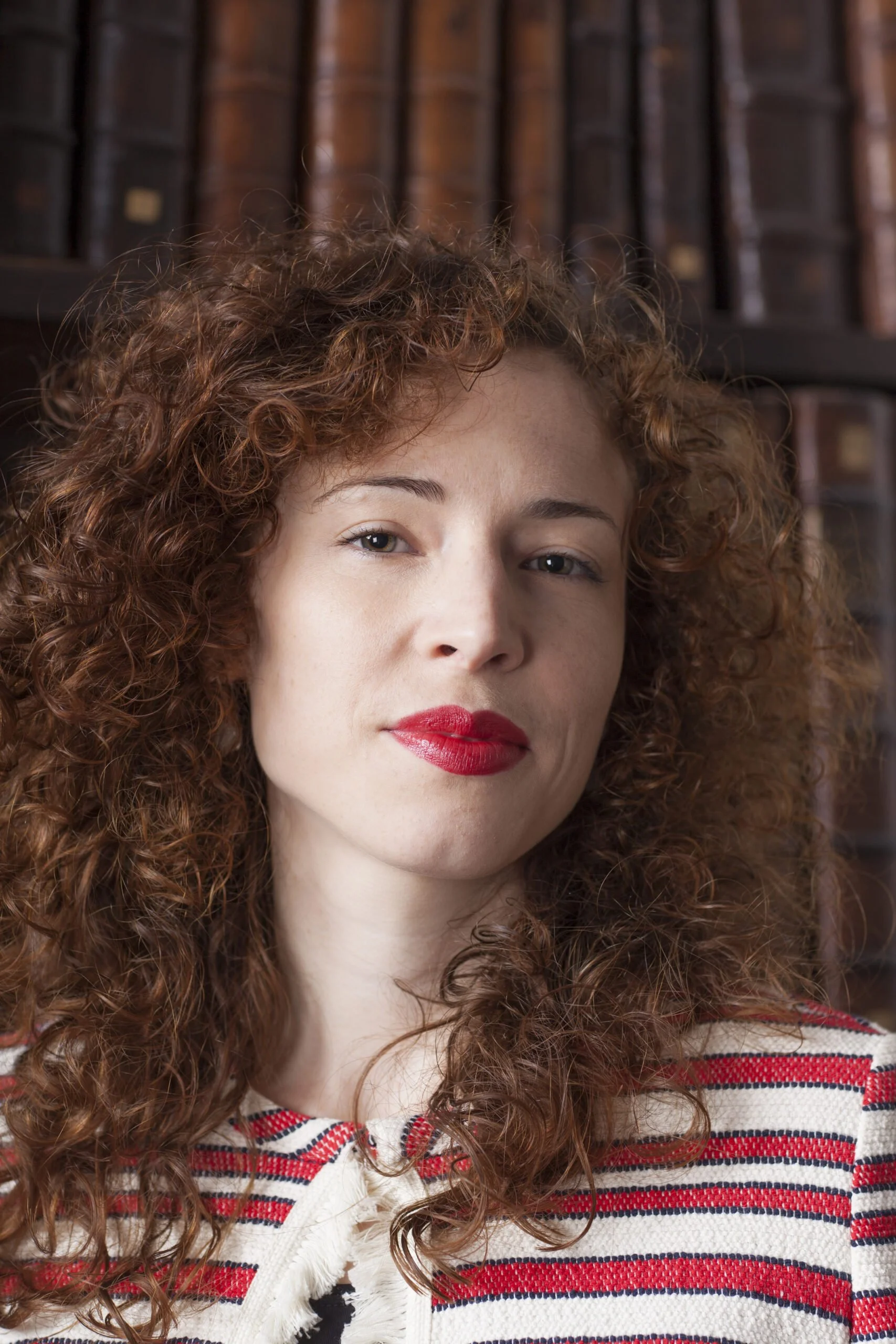
Sophie Seita
-
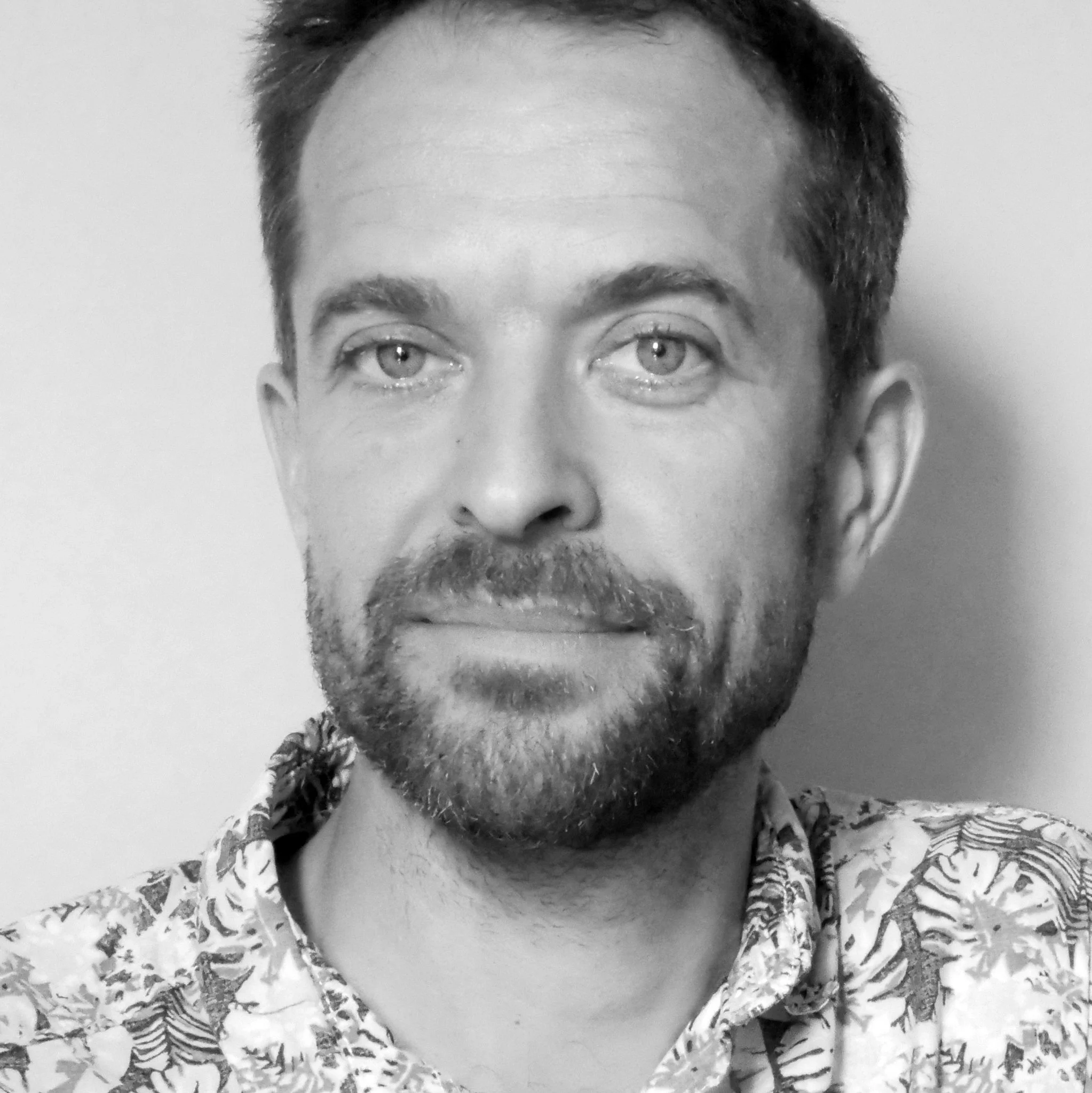
Chris de Selincourt
-
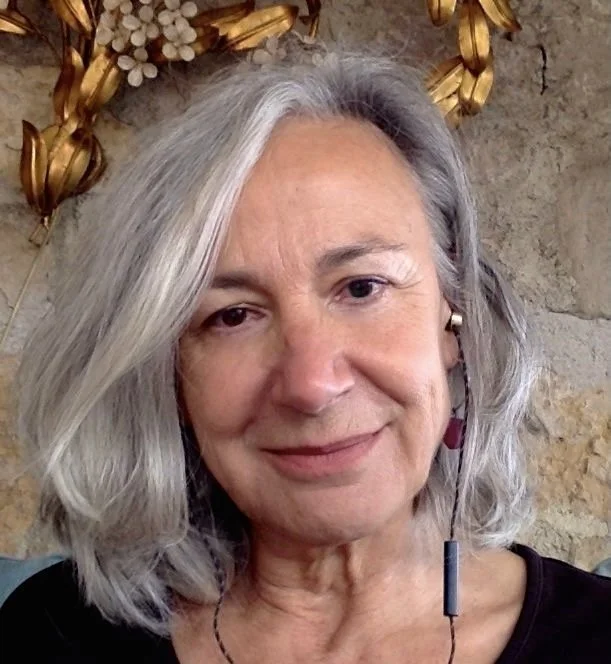
Patricia Shaw
-
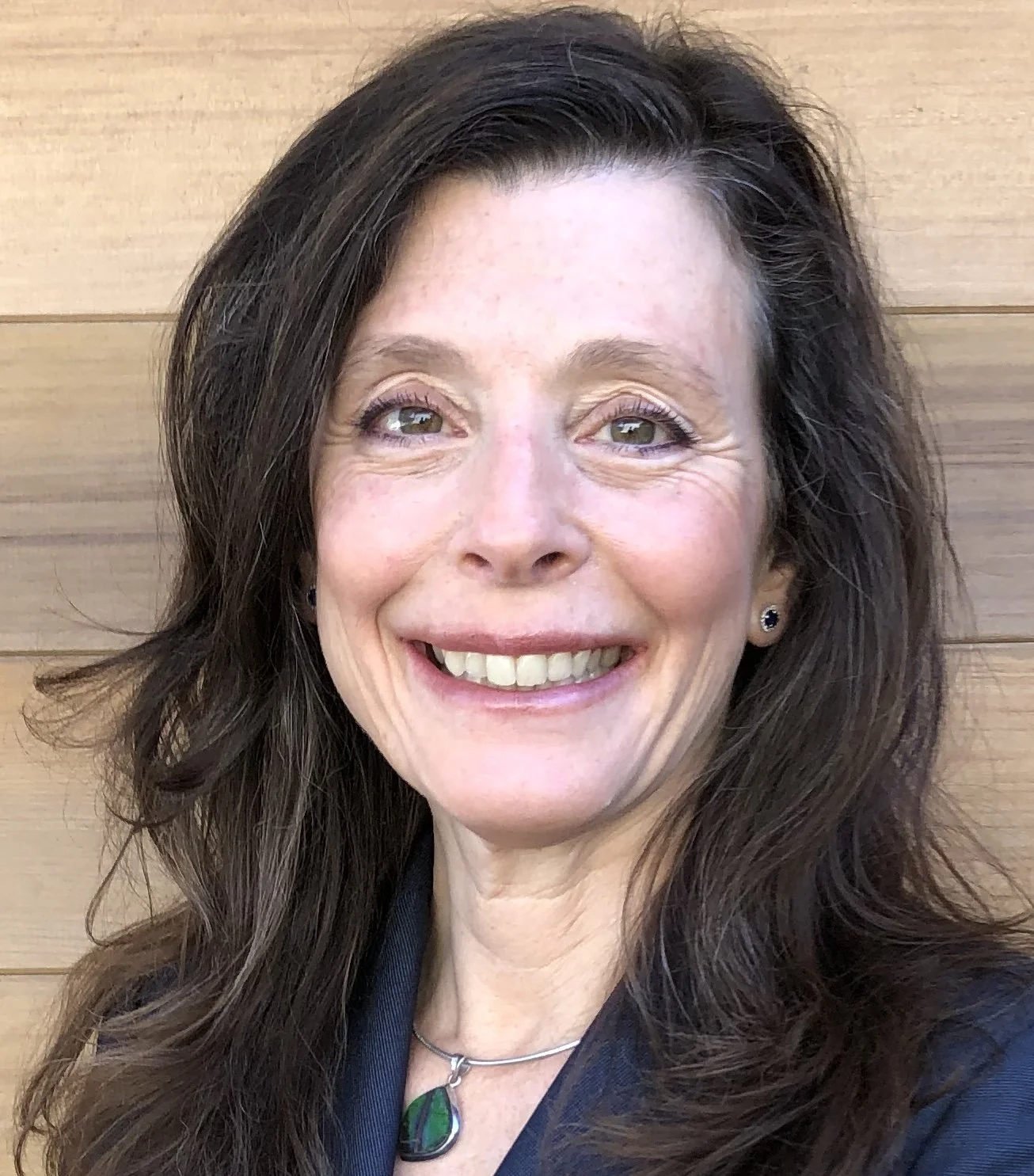
Linda Sheehan
-
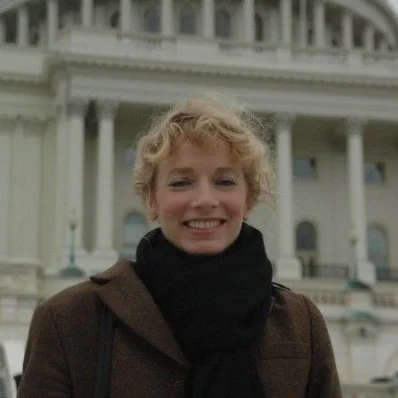
Freya Sierhuis
-

Christopher Stewart
-
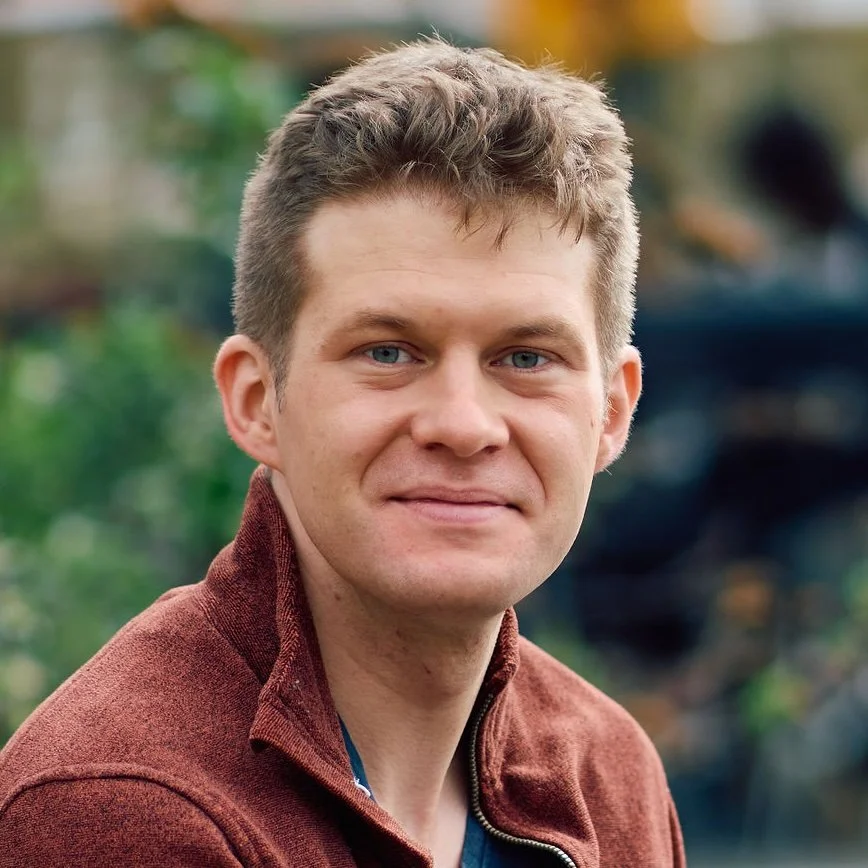
Peter Sutoris
-

Esther Teichmann
-
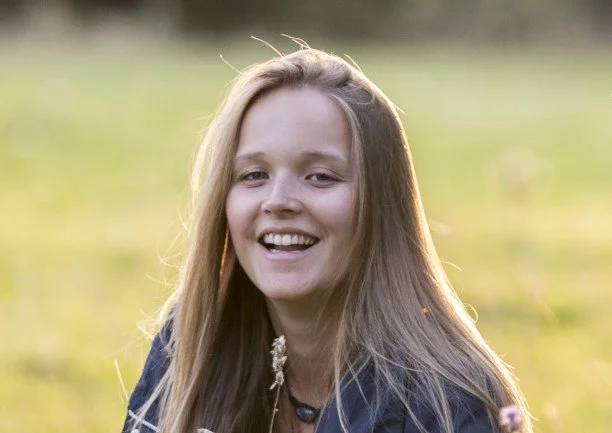
Phoebe Tickell
-
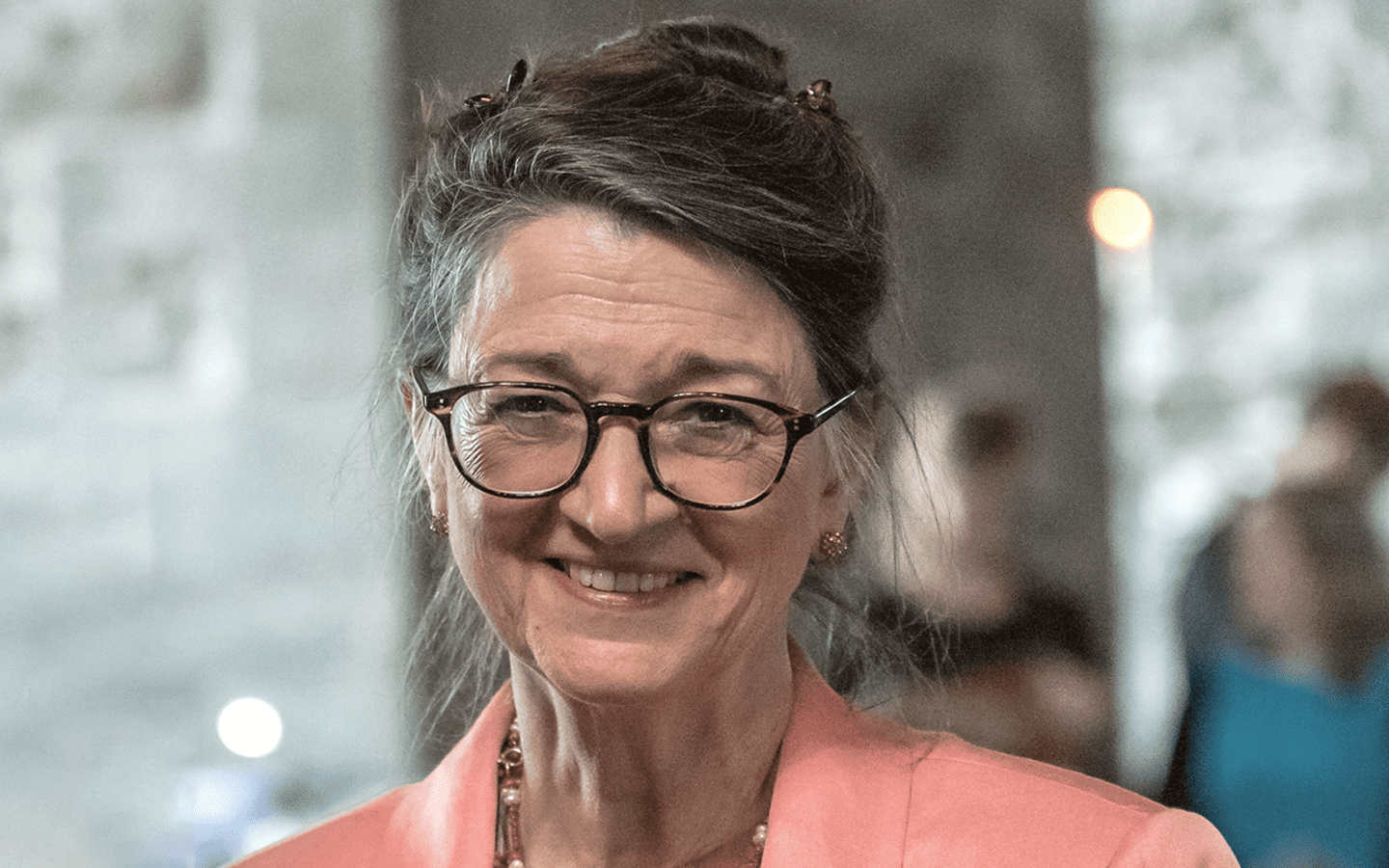
Marina Warner
-

Steven Wassenaar
-

Michelle Watson / Moksha
-
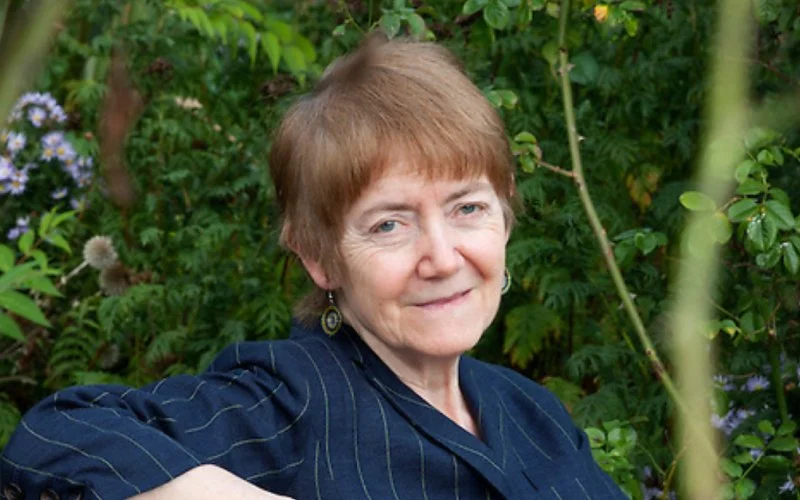
Sally Weintrobe
-
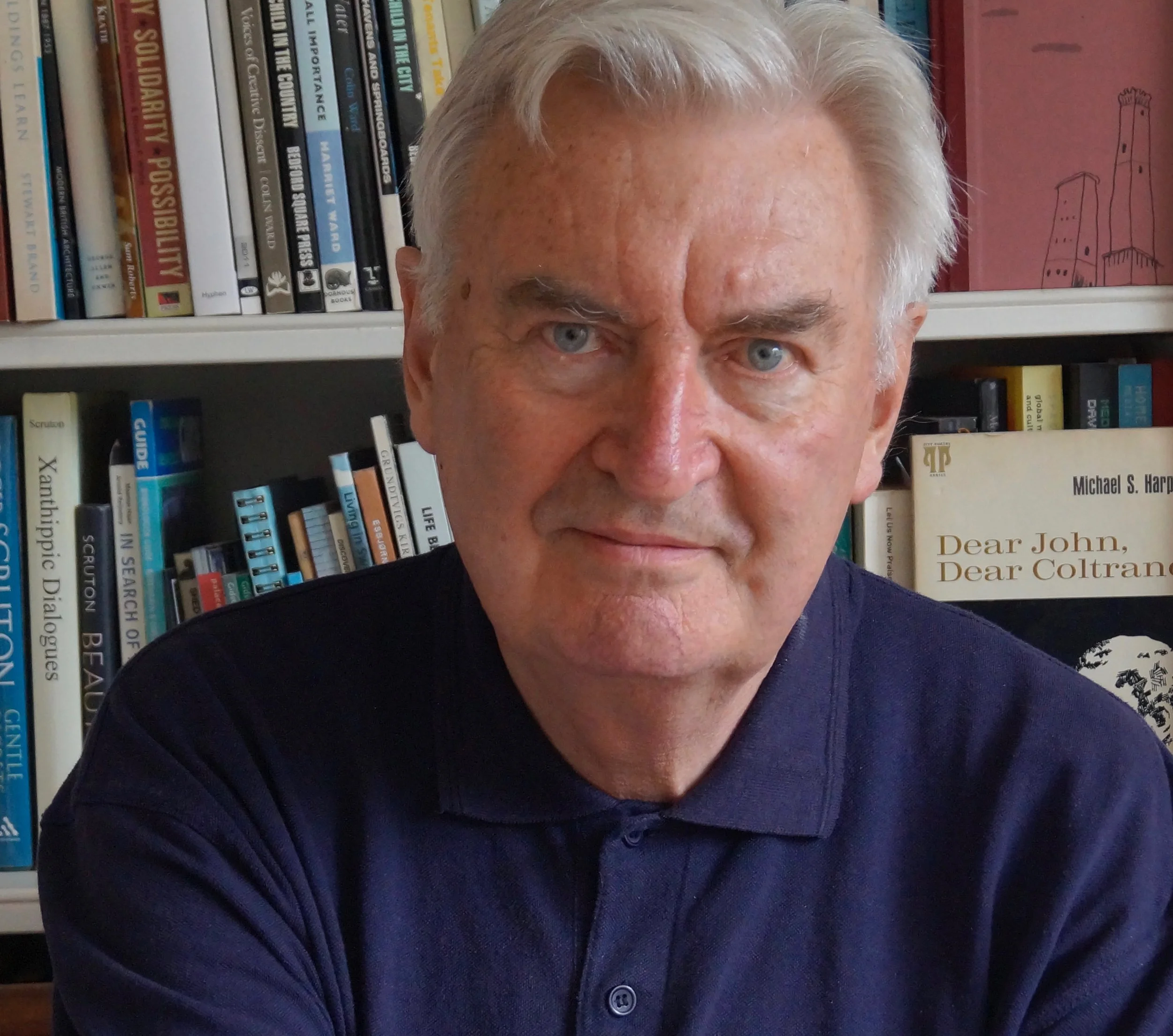
Ken Worpole
-

Rabia Zaid
Organisation
The New School is registered with Companies House in the UK as a community interest company. It’s a test of organisational possibility as much as an experiment in pedagogy. We subscribe to the principle that the fostering of a critical understanding of ideas, artefacts and events through education is a public right, and that the function of an educational institution is to teach students.
This is why we have stripped-down the bloated and decorative “uni experience,” used to justify grotesque fees and turn students into customers. We have no aspiration to simulate the mystique of the business world and incorporate its wasteful practices. Neither are we encumbered by the burdens of the conventional over-regulated educational institution: namely, self-referential administration, rank, tenure, appraisal, endowment, development office or grading systems.
The New School has a convenor, rather than a president or CEO, and no energy is wasted in data churning, metrics and surveillance. Responsibility for educational policy sits wholly with the teachers and the students.
Our Advisory Board
Michael Hrebeniak
Convenor & Director, New School of the Anthropocene C.I.C.
Associate Professor of Film Poetics, University College London
Eleanor Dare
Convenor, Cambridge Data Schools, University of Cambridge
Terry Macalister
Ex-Chief Energy Correspondent, The Guardian
Miranda Millan
Fundraising Consultant
Rachael Matthews
Art Workers’ Guild member and NSotA scholar
Shreepali Patel
Professor of Film and Screen, London College of Communication
Andrew Riddington
Financial Advisor
Carne Ross
Founder, Independent Diplomat
Community Standards
The New School of the Anthropocene is an environment that encourages and celebrates freedom of thought and expression; freedom from discrimination; and the fostering of companionship, mutual aid and trust. These values are enshrined within our core principle of care for others. It is therefore vital that our behaviour towards one another remains ethical, courteous and considerate.
The following code defines NSotA's community standards. It sets out our expectations around how we should and should not behave towards each other. It is not exhaustive but models both the expectation of positive behaviour and the inappropriate forms that may lead to a scholar or Ensemble member being asked to leave the New School. Understanding this can help each of us appreciate the impact of the way we behave.
We are each individually responsible for our own actions and for recognising the impact of our behaviour on others. This is an ethical duty of care which can, in certain cases, extend beyond NSotA’s boundaries. This includes the nature of course work, which is often of a sensitive nature and can have a demonstrable impact on individuals and communities, both human and earth others.
We should always strive to:
Foster a trusting environment that enables honest and supportive working and studying conditions;
Recognise that our actions can impact others and show courtesy and consideration in our interactions with others, even if we disagree with their views;
Discuss views that others may find disagreeable or distasteful in a constructive and lawful way;
Treat each other fairly and without bias;
Recognise and acknowledge the contribution of others to our work;
Honour the need for confidentiality when the nature of our work requires it;
Maintain respectful and appropriate relationships with everyone associated with the New School;
Promote a culture of safety where people can speak about inappropriate behaviour;
Identify inappropriate behaviour and then intervening, speaking out and helping where we feel able.
In order to maintain a culture of courtesy and trust, we must never bully, harass, discriminate, victimise or commit sexual misconduct, by avoiding such behaviour as:
Talking down to, belittling, gratuitously interrupting or preventing others from speaking;
Directing inappropriate language, such as swearing, towards others or making degrading comments about individuals or groups of individuals;
Making derogatory remarks about a colleague’s performance in public, whether directly (such as in a meeting) or indirectly (such as by copying people into an email or social media post);
Humiliating others by shouting at them, either publicly or privately;
Maliciously ignoring individuals or groups of individuals, or inhibiting the ability of others to perform their roles by withholding information or excluding them from necessary meetings and discussion;
Imposing overbearing and intimidating levels of supervision or management;
Undermining the reputation of others through slander, malicious rumour or false allegation, or by breaching confidential conversations;
Advocating unethical practices or positions that might bring the New School and/or its community into disrepute;
Making jokes, remarks or gestures relating to race, sex, sexual orientation, gender reassignment, disability or age that are degrading or discriminatory even if this is independent of our intentions;
Mocking, mimicking or belittling a colleague, student or visitor because we perceive them as different to us, or using this difference as a reason to treat them unfairly;
Behaving in a controlling or coercive way, such as placing excessive pressure on others to subscribe to a particular political or religious belief;
Circulating or displaying any type of communication on any form of media that would otherwise constitute a form of inappropriate behaviour contrary to this policy;
Making unwelcome and unpermitted sexual advances, suggestive behaviour or touching someone against their will or without their consent, even if it is perceived as harmless by the individual behaving this way;
Retaliating to allegations of inappropriate behaviour, including threatening those who have made the allegations, providing unfair or misleading references, or blocking access to opportunities.