

Catalysts
Why I Quit — Marina Warner, London Review of Books, Vol. 36 No. 17, 11 September 2014
Design for the New School of the Anthropocene — Michael Hrebeniak, 18 May 2020
The free-market gamble: has Covid broken UK universities? — Rowan Moore, The Observer, 17 January 2021
On Quitting Academia — Malcolm Gaskill, London Review of Books, Vol. 42 No. 18, 24 September 2020
The University Now: A Provocation in Five Readings — David McCallam, University of Sheffield, 18 December 2020
The government pretended UK universities were immune to Covid. The fallout is exhausting — Jonathan Wolff, The Guardian, 3 November 2020
Tactics and Praxis: A Manifesto — Isabelle McNeill, Louise Haywood & Georgina Evans, 27 January 2020
The Marketisation Doctrine — Stefan Collini, London Review of Books, Vol. 40 No. 9, 10 May 2018
Sold Out — Stefan Collini, London Review of Books, Vol. 35 No. 20, 24 October 2013
Cash Today — Andrew McGettigan, London Review of Books, Vol. 37 No. 5, 5 March 2015
Who are the spongers now? — Stefan Collini, London Review of Books, Vol. 38 No. 2, 21 January 2016
Fiscal Illusions: on student loan sell-offs and other government tricks — Andrew McGettigan, London Review of Books, Vol. 41 No. 17, 12 September 2019
Tear Down the Fences — Tom Sperlinger, London Review of Books Blog, 6 November 2020
Pedagogies of Disaster — Edited by Nico Jenkins, Vincent W.J. van Gerven Oei, Adam Staley Groves, 10 July 2013
Opening the Anthropocene Archives — James Lee, Public Books, 8 February 2021
The Anthropocene Curriculum - HKW Berlin, 2013-22
How to Revolutionise the Academy - Michael Hrebeniak, Isabelle McNeill, How the Light gets in, August 2021
The Idea of the University - Karl Jaspers, 1959
Fragments Toward an Understanding of a Week that Changed Everything - Precarious Workers Brigade, e-flux, 2011
The New School of the Anthropocene - A conversation between Michael Hrebeniak and Pablo Mukherjee, Journal of the British Academy, Vol. 14 No. 2, 2026
Squadrons of Pigs: Bonfire of the Universities - Stefan Collini, London Review of Books, Vol. 48 No. 10, 4 June 2026
Know Your Enemy - Julia Bell, 17 July 2026
Catastrophe and Renaissance - Carne Ross, 21 August 2026
Precursors

In order to give bearings, it might be useful to cite the antecedent of Black Mountain College in Asheville, North Carolina, which existed between 1933 and 1957. This was arguably the 20th century’s most radical experiment in arts community, and the New School seeks to emulate for the digital era its emphasis on process in its work and its commitment to the life of the mind without safety net of disciplinary barrier.
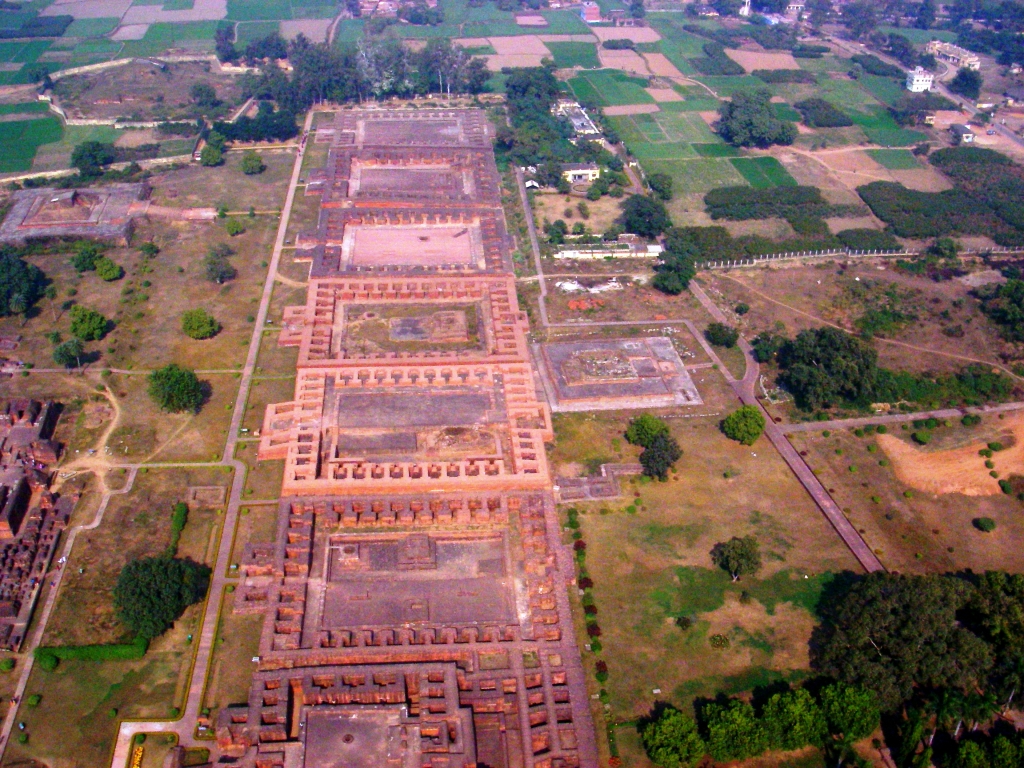
To wit: Sappho’s moisopholon damos; the Hellenic akademis or oak groves hosting philosophers and rhapsodists (etymology: ‘stitchers of song’); the 11th to 15th century proliferation of North Indian viharas, such as Ellora and Nalanda, built around courtyards and gathering spaces cut into caves for wandering scholars, artists, monks, actors, logicians, writers, dancers and sculptors; the subterranean and possibly fanciful late-16 th century School of Atheism that sheltered Raleigh, Marlowe, Chapman, Roydon and Harriot); and rural Irish hedge schools.
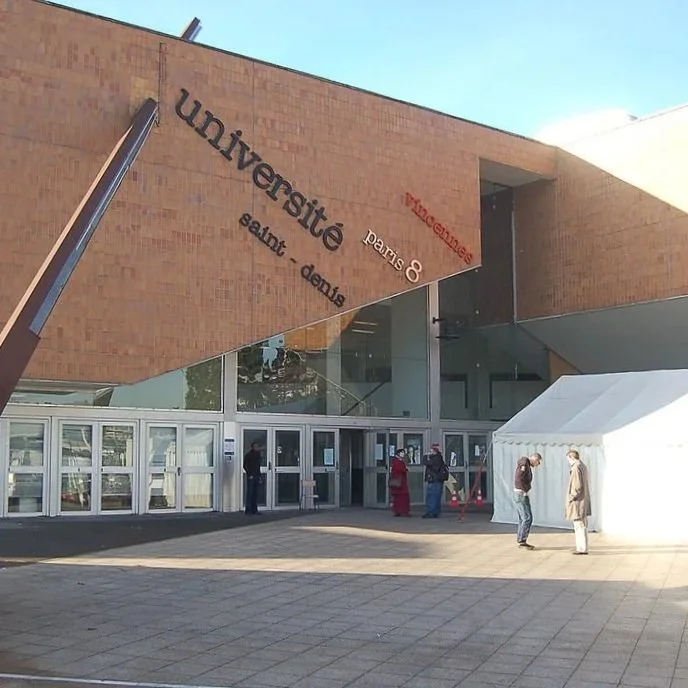
We also look for inspiration to a range of other outrider schools from older, more civilised eras when, to quote Andrew Schelling and Anne Waldman, ‘subtle thinkers and skilled practitioners of the experimental arts seemed less at variance with the ruling powers.’ This means not only the lost British art schools of the postwar decades and the experimental Paris 8 University, but older, sometimes heretical groupings, both formal and impromptu; respectable and vagabond.

And closer to our own era we might consider the promise embodied by the London Consortium, the bold work of the Jack Kerouac School of Disembodied Poetics at Naropa University in Boulder, Colorado and the flourishing example today of Rojava Universities in North East Syria. All of these indicate that higher education might necessarily offer a space for experimental sociality and creative encounters with difference.